Alison-hazel-art-banner

Sunsetting

This site will be sunsetted this summer as I transition over to my new blog at Heathcote Living. I hope you will join me there.

If you sign up for this newsletter you will receive my new Heathcote Living newsletter.

artzlife-newsletter
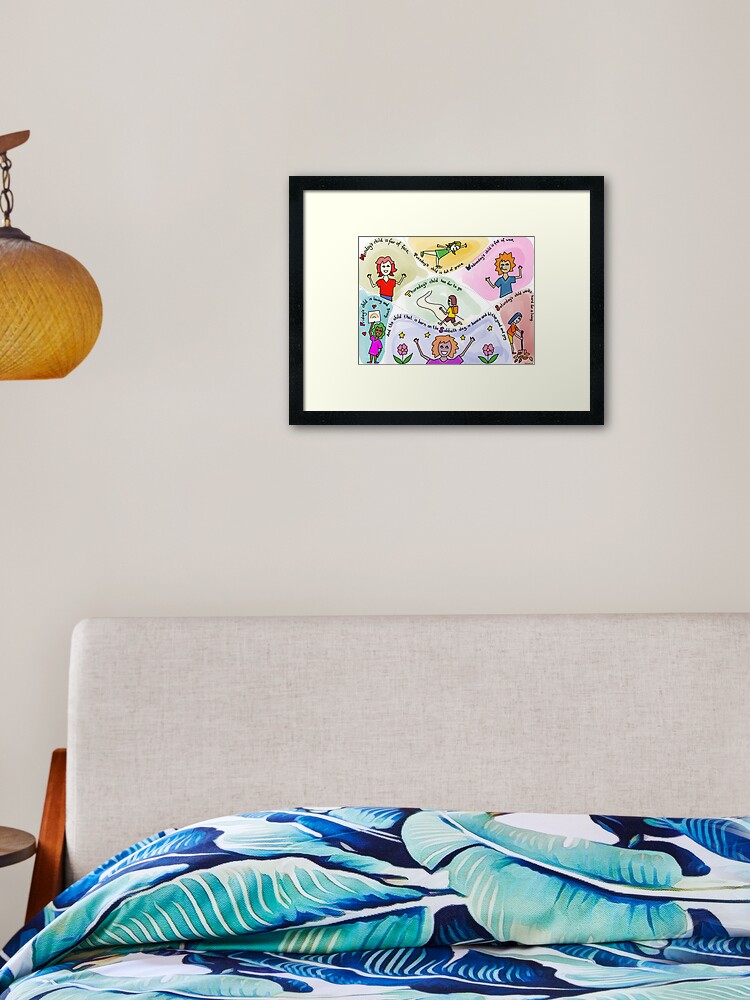
Monday’s Child Poem – Digital Art Time-lapse

Monday’s Child Poem – Digital Art Time-lapse

Reference

I am referencing Emma H Baldwin MFA Emily Carr university, Vancouver on the website PoemAnalysis.com where she says that this poem was first recorded by A.E. Bray’s Traditions of Devonshire published in 1838.

Thank you, Emma.

Monday’s Child Poem

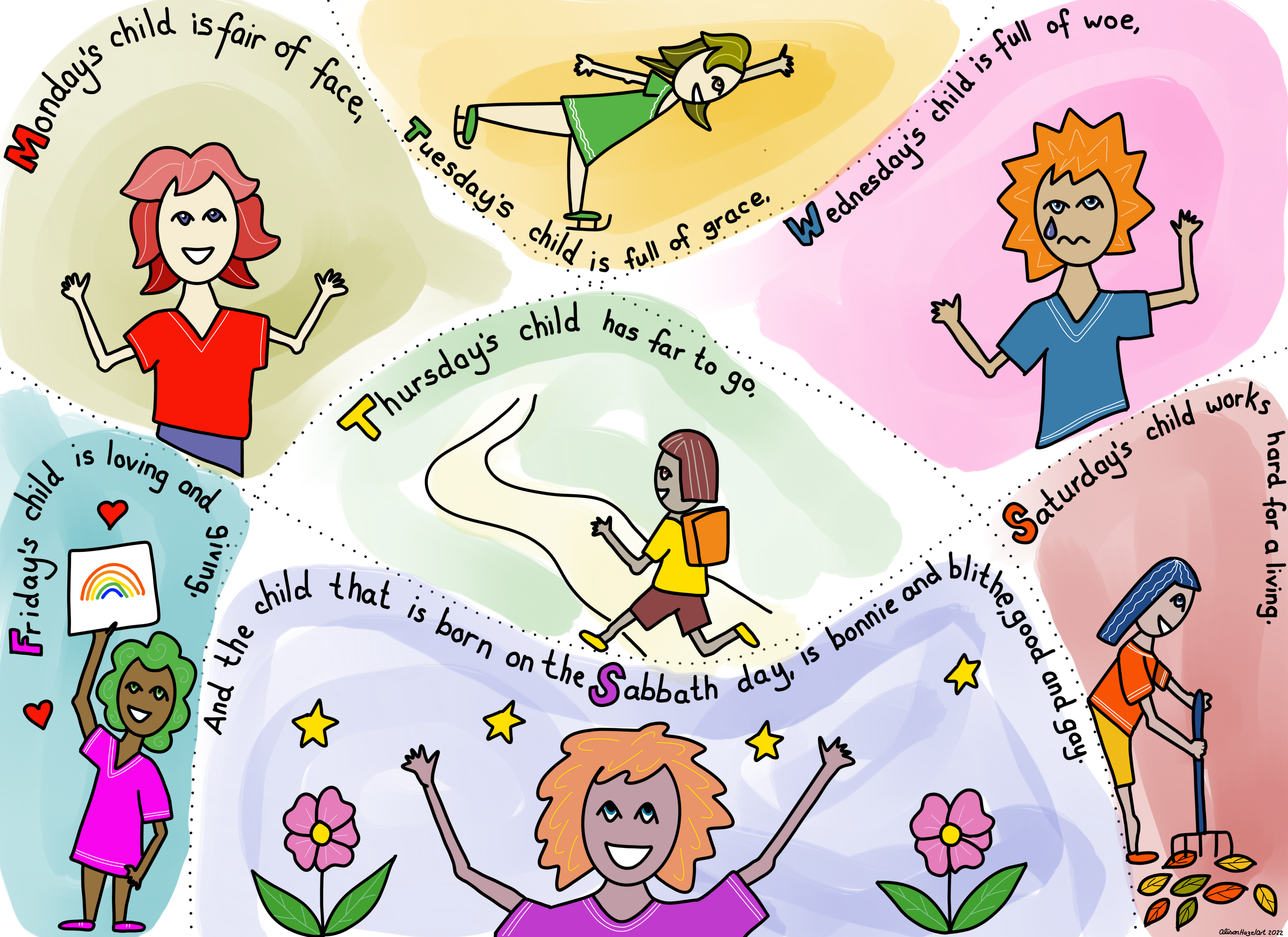
Monday’s child is fair of face,

Tuesday’s child is full of grace,

Wednesday’s child is full of woe,

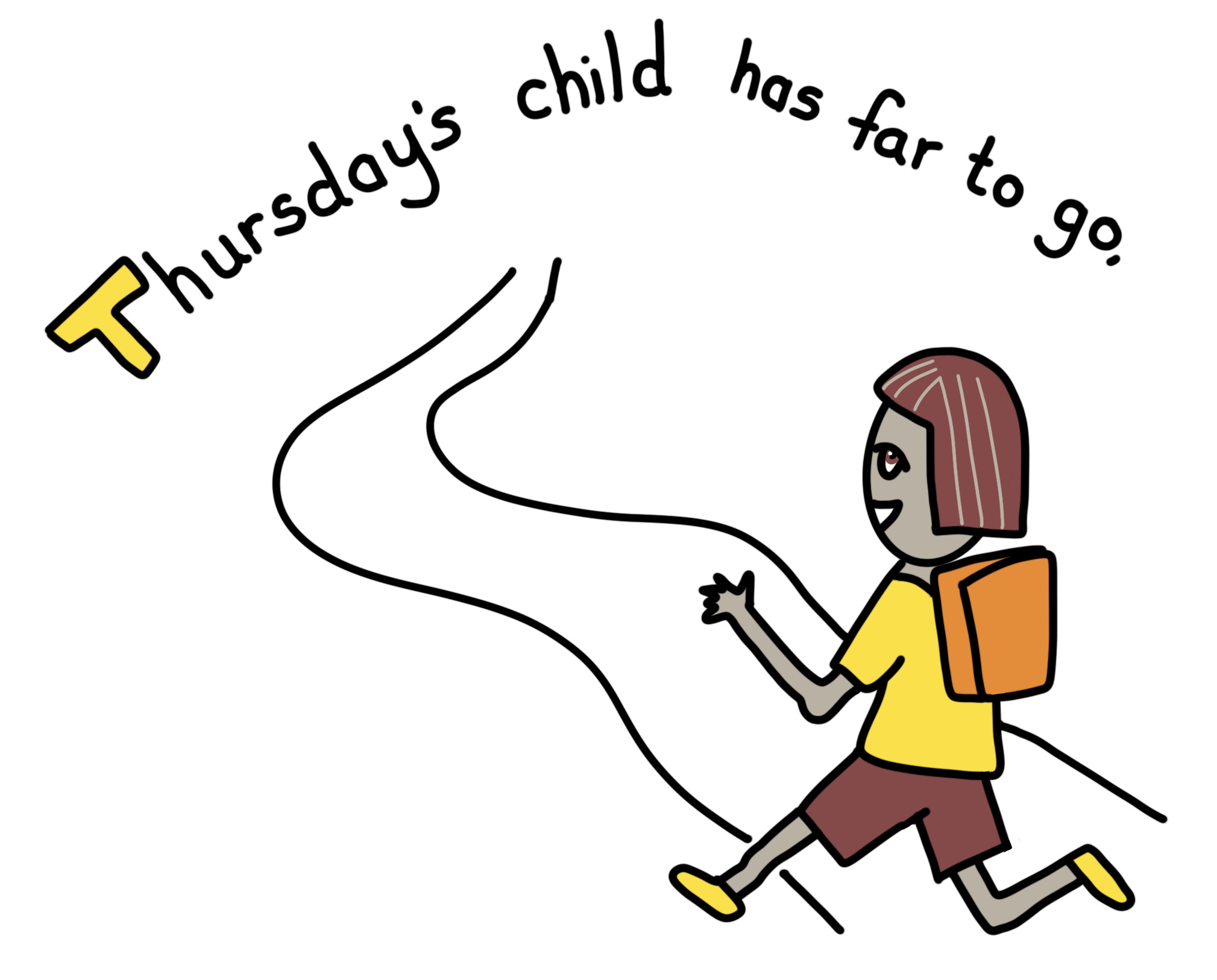
Thursday’s Child has far to go,

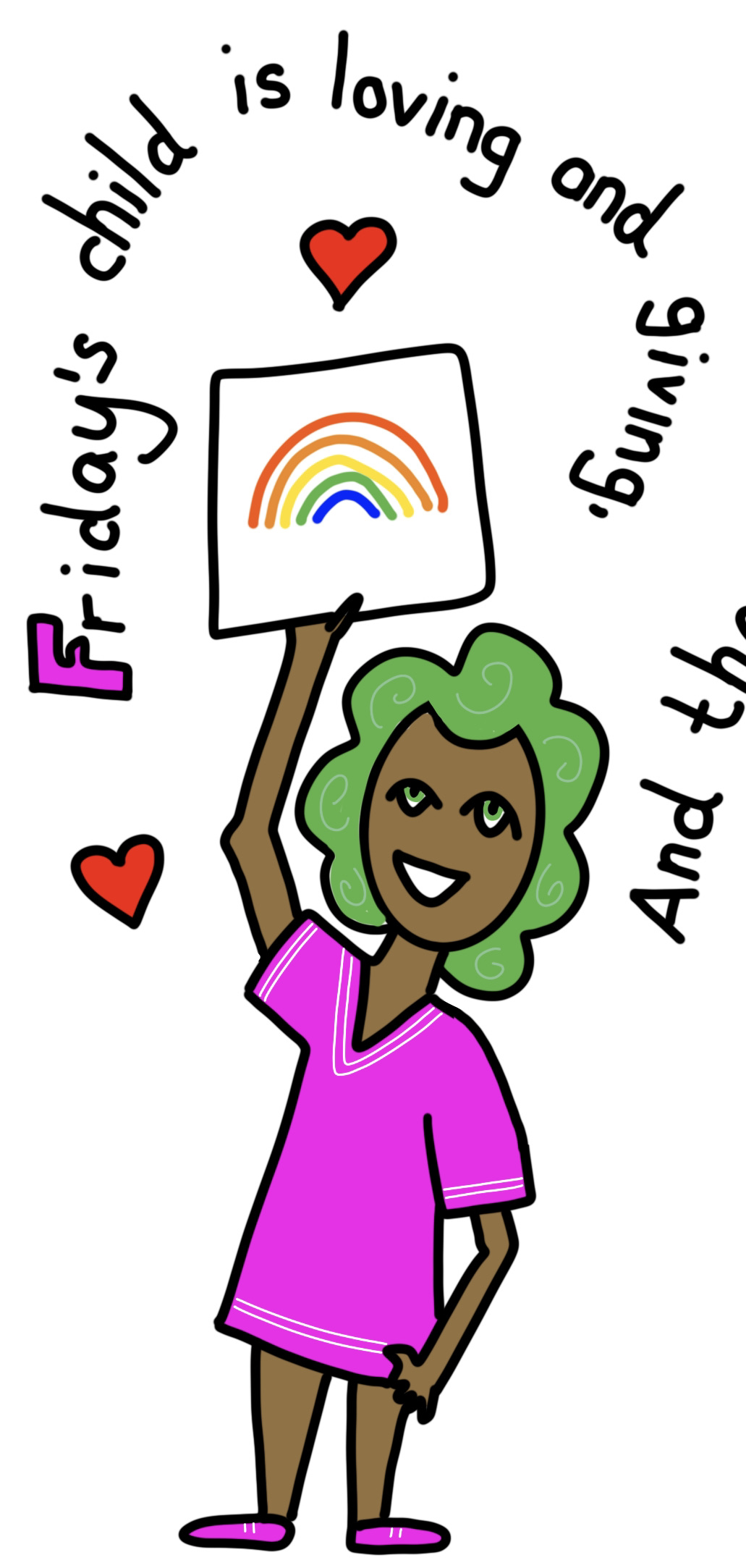
Friday’s Child is loving and giving,

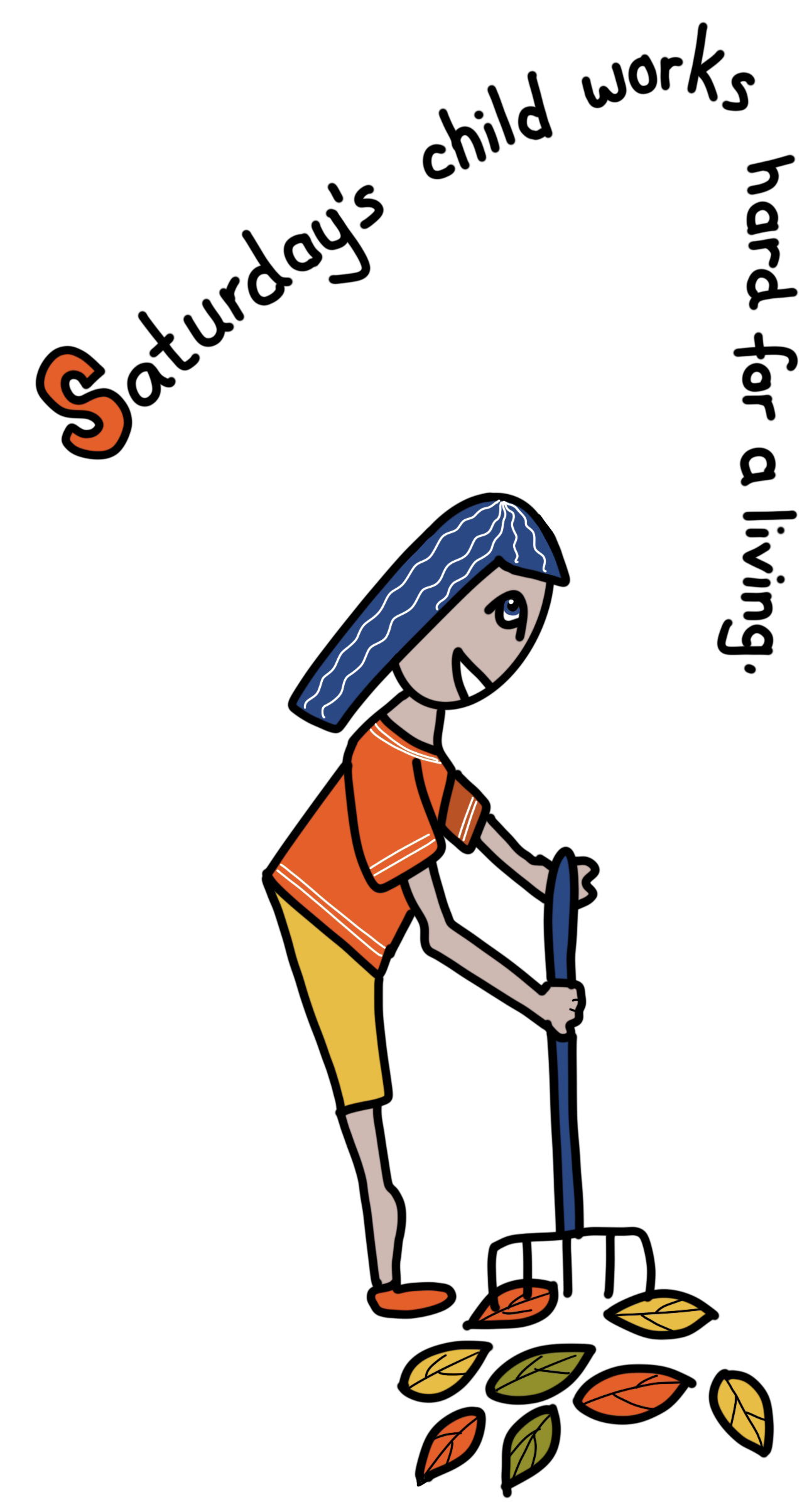
Saturday’s Child worked hard for a living

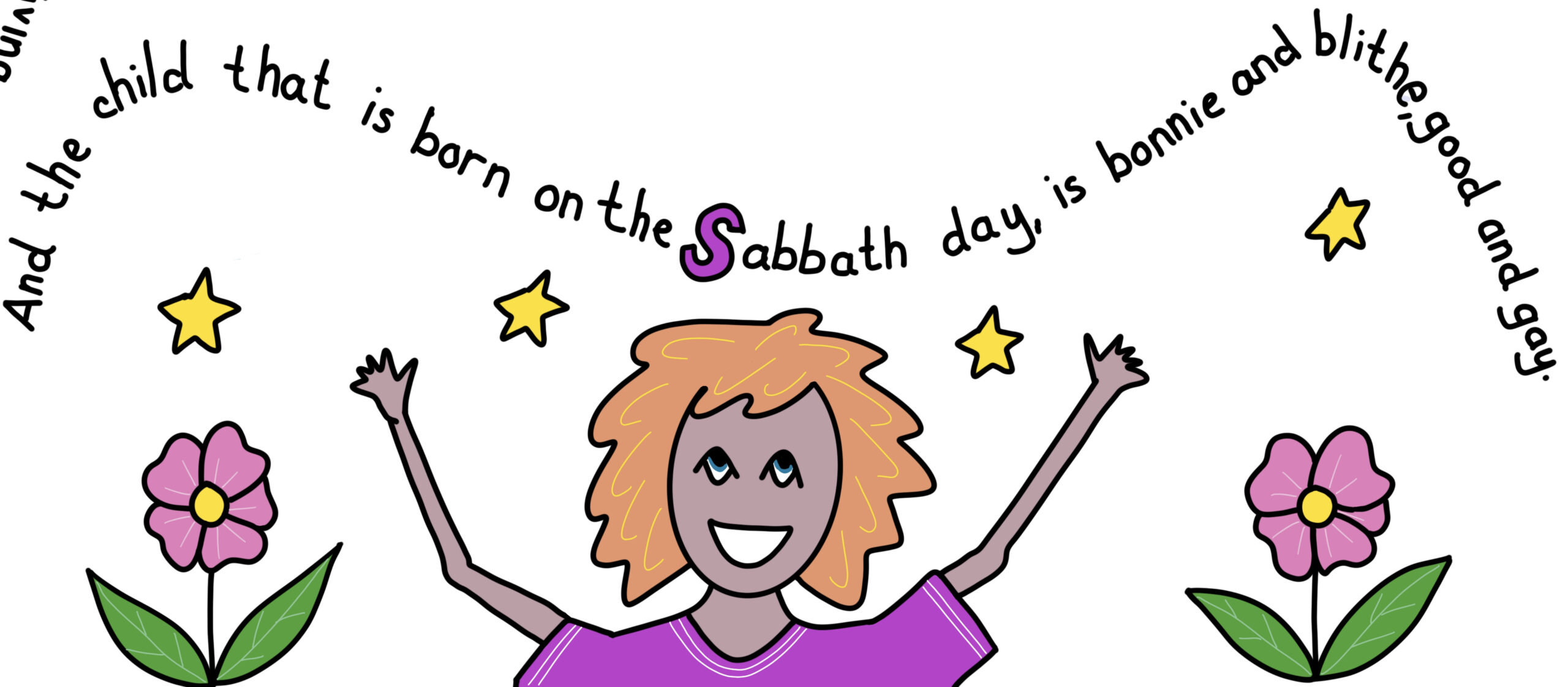
And the child that is born on the Sabbath day

Is bonnie and blithe and good and gay.

Inspiration

When I was a young girl growing up in the 60s the poem Mondays Child everybody knew it.

We learned it along with all the other nursery rhymes of the day.

They say that things you learn when you are very young you can recall easily when you are older and this is very true.

Seven

I’ve always been fascinated with numbers and the number seven pops up in many areas the first one that comes to mind is the seven colours of the rainbow and of course the one we’re working with her the seven days of the week.

It seems that there are seven days in the week because it they are related the one month cycle of the Moon which is around 28 to 29 days.

Seven Days of the Week

We all know that there are seven days in the week I always understood that Sunday was the first day of the week and I certainly use my calendars in this format.

However, in Monday’s Child poem it starts on a Monday and builds up to the Sabbath which is Sunday.

What Day Were You Born On?

As a kid this poem had everyone scrambling to find out what day they were born on as some days are clearly more fun, or desirable, than others.

I was delighted to discover that I was born on a Tuesday which apparently makes me full of grace.

My father was born on a Saturday and yes, he did work hard for a living all of his life.

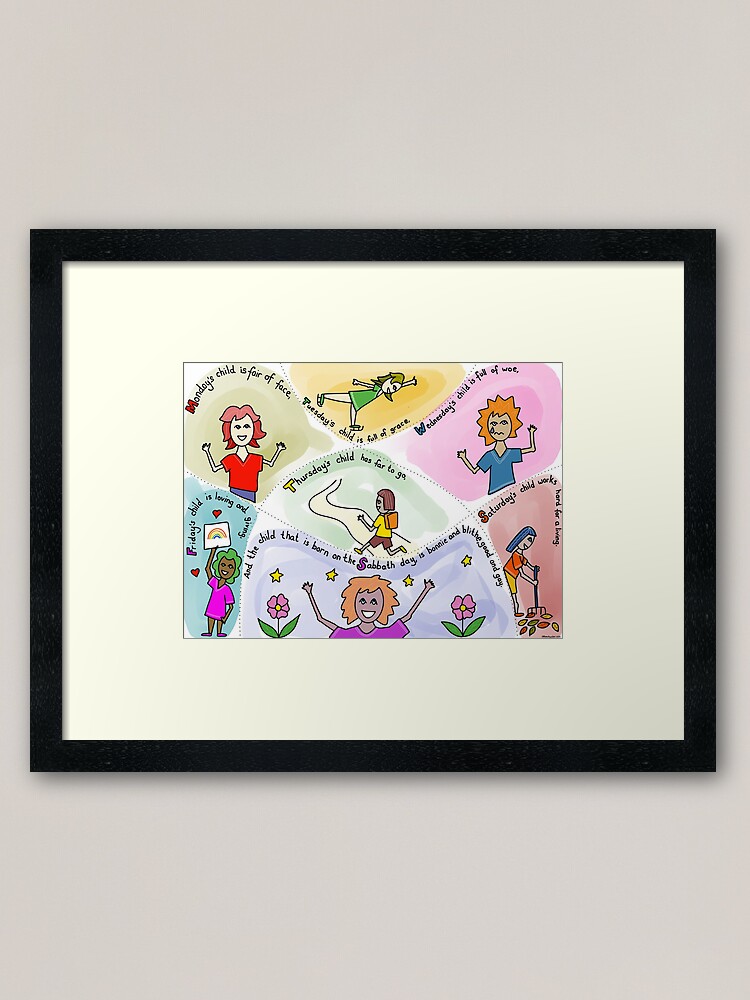
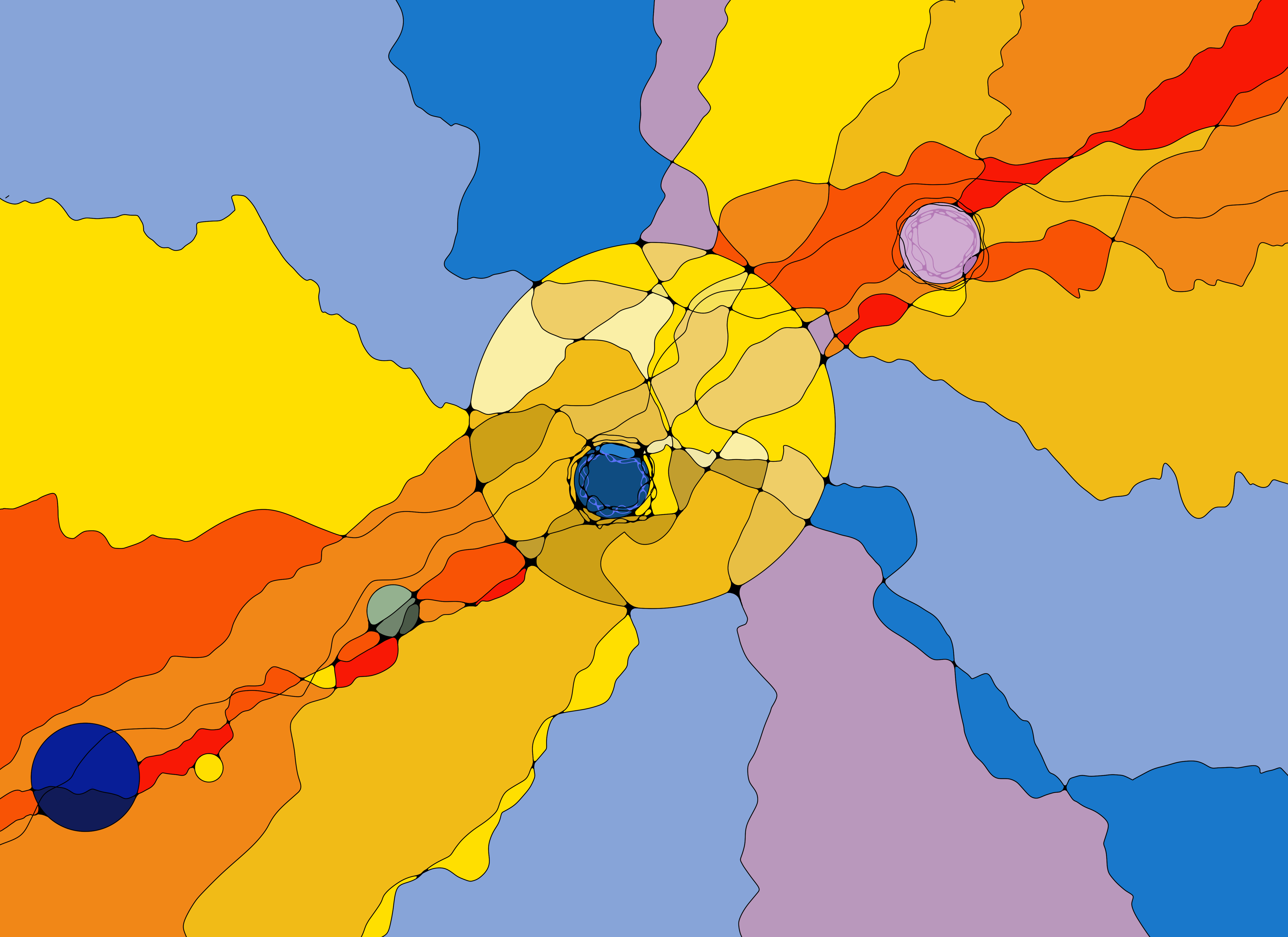
Creating the Monday’s Child Digital Artwork

Seven segments

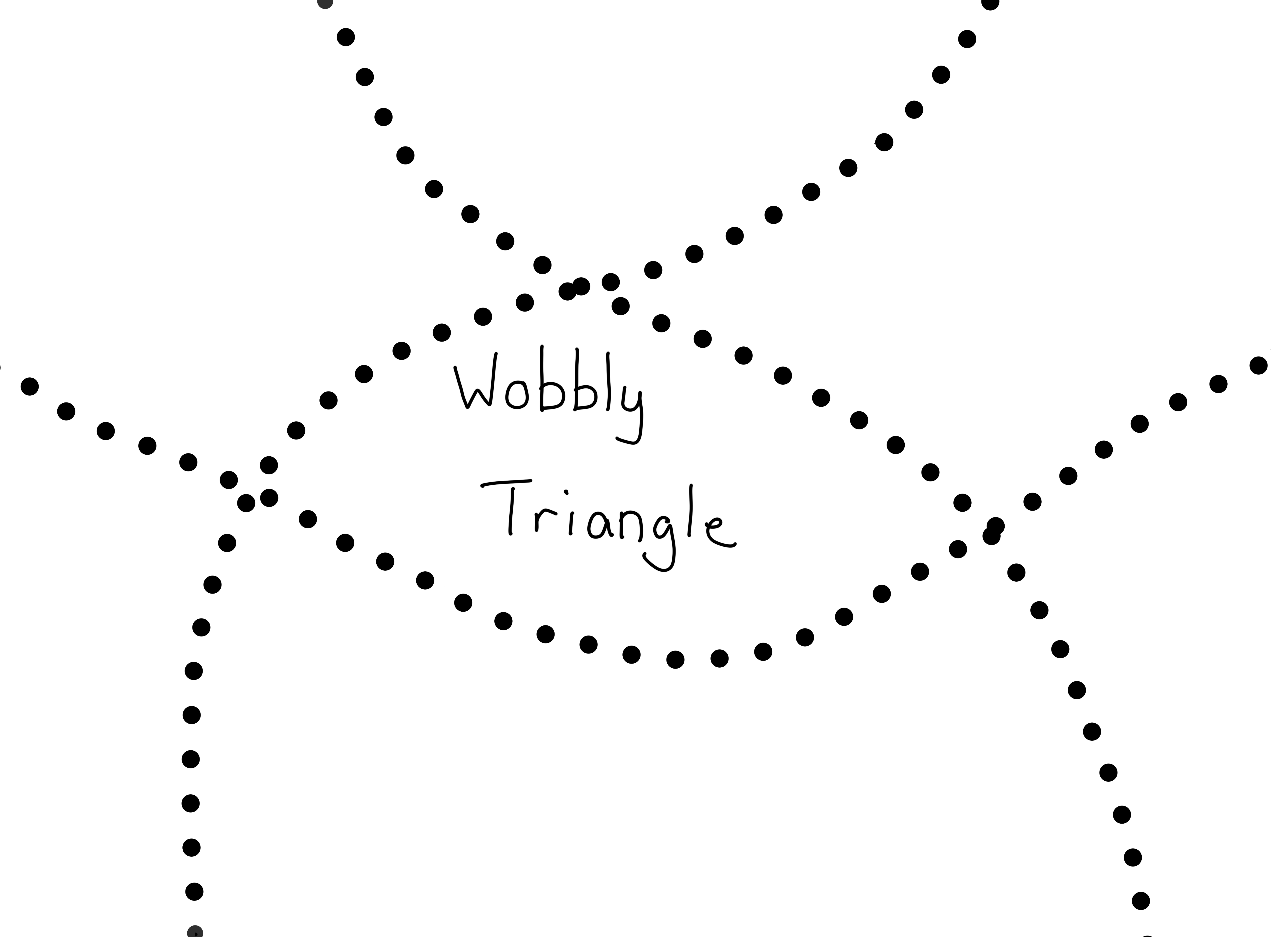
First, I divided the page into seven segments by drawing three lines as follows:

  • The first line is from the bottom left up towards the top right.
  • The second line is from the bottom right up towards the top left.
  • The third line is middle left swooping down and then ending on middle right.

This creates a wobbly triangle in the middle.

I used the same method to divide the page on my neurographic art basics drawing.

Day’s Layout

I decided to layout each day starting from the top left for Monday, Tuesday and Wednesday.

Thursday is in the middle space.

Then going back to the lower left for Friday.

Saturday is on the lower right.

Right at the center bottom is Sunday.

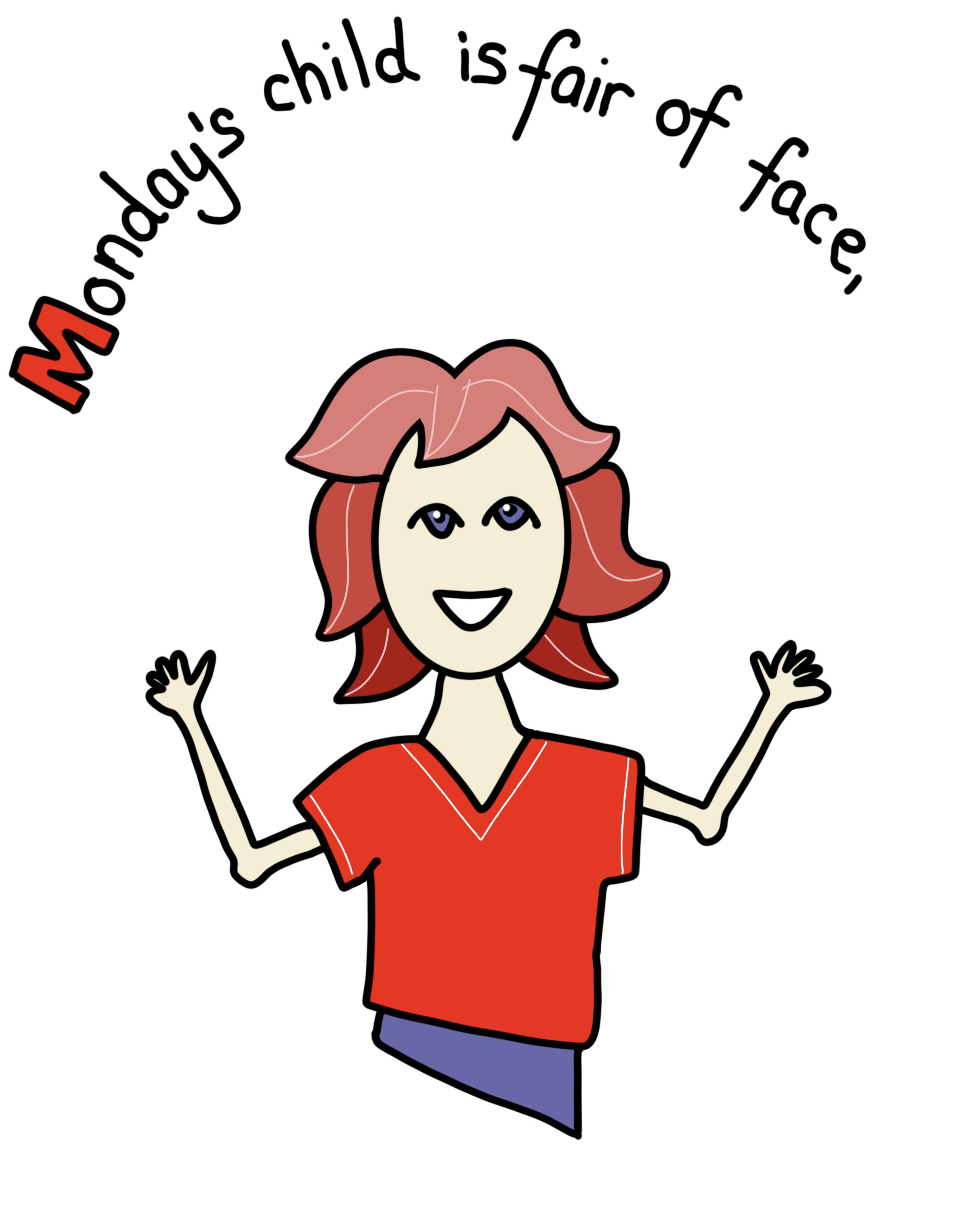
Monday

“Monday’s child is fair of face,”

To be fair of face implies that the child has an open and smiling countenance.

For this drawing I did a happy child waving and smiling.

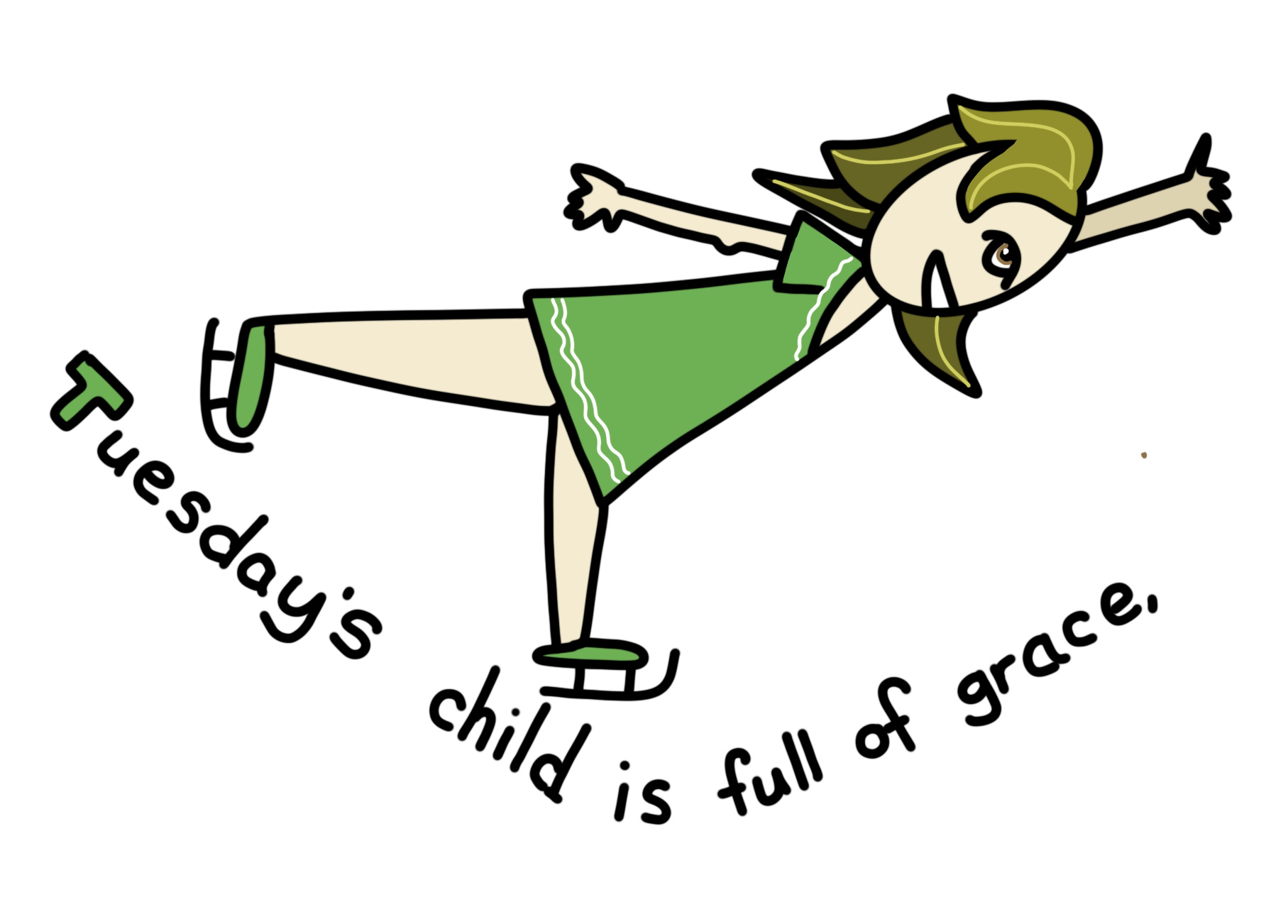
Tuesday

“Tuesday’s child is full of grace,”

To be full of grace means that you move well have poise and balance.

For this drawing I did an ice skater twirling and looking elegant and graceful.

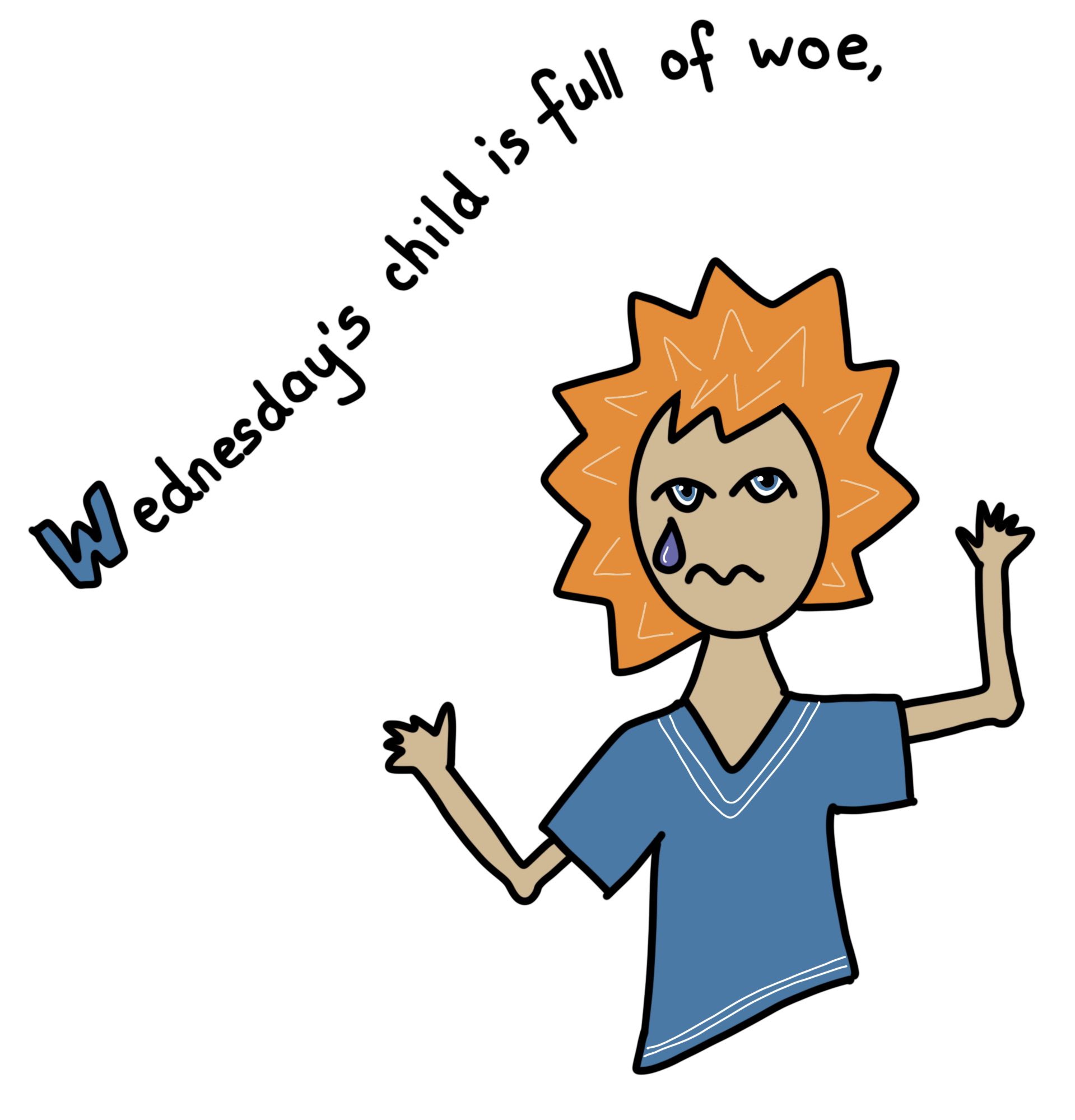
Wednesday

“Wednesday’s child is full of woe,”

To be full of woe means that you have troubles or cry a lot or have many challenges.

For this drawing, I drew a child having a meltdown, shedding a tear and being a little frustrated.

Thursday

“Thursday’s Child has far to go,”

To have far to go means that you either have a very long journey of life or you have a lot to accomplish this child is likely to keep going all the time. For this drawing I drew a kid with a backpack starting along a path that has a journey going over the mountain.

Here I think the journey is more important than the destination.

Friday

“Friday’s Child is loving and giving,”

To be loving and giving sounds like a perfect child.

It suggests the child gives back more than they receive and probably is grateful for everything they have including their family.

For this drawing I drew a child giving the gift of an artwork to their mother to stick on the fridge.

This child looks like they have the gift of giving which will benefit them throughout their life.

Saturday

“Saturday’s Child works hard for a living,”

To work hard for a living means what it says that a lot of effort is expended to earn the money to live on.

It suggests that this person may be a workaholic but has a great work ethic as well and they probably never take a sick day.

This child looks like they’re going to be busy with lots of activities in their life.

For this drawing I drew a child raking the leaves and working in the garden.

Sunday

“And the child that is born on the Sabbath day is bonnie and blithe, and good and gay.”

To be bonnie means to be attractive.

Being blithe suggests an easy going and somewhat casual indifference to life.

To be good and gay is someone who may be the life and soul of the party.

This child looks like they’re going to be easy-going and welcomed everywhere they go.

For this drawing I drew a happy welcoming and perhaps even stylish person who everybody loves.

Aspiring Artist Activity

The Monday’s Child poem would be a great addition to any child’s nursery.

You could create re-create this drawing on paper and hang it in a frame on the nursery or you could do a digital version as I did.

This would be a great artpiece to do with your children.

  • On a plain piece of paper draw three lines that result in a wobbly triangle in the middle and seven segments in all.
  • Starting on Monday write the words of the poem in the segment.
  • Draw a small artwork or doodle that reflects the meaning of these words as you see them.
  • Colour in and embellishments as you see fit.
  • Complete the other six days of the week.
  • Sign and date your artwork in the lower right-hand corner.
  • Frame and hang on the nursery wall.

Share

Share your completed artwork on social with the hashtag #AHAMondaysChild, or send me a copy and I’ll add it to the gallery at the bottom of this post.

Get this Artwork

I decided to put this artwork onto greetings cards and posters and if you’re interested you can get them at Redbubble on this link

Love,

Alison (Tuesday’s Child)

More Articles

If you enjoyed this post see more of our creative adventures on these blog posts.

How to Set Up an Artist’s Vision Board 

How to Set Up an Artist’s Vision Board 

Author: Alison Hazel   -   Last updated: January 2025 Artist Vision Board Over the years, your creative energy and passion for art will no doubt ebb and flow. Hopefully it will evolve as well. Sometimes it's hard to stay motivated. You might not have any creative...
How to Draw the Face of Jesus

How to Draw the Face of Jesus

Author: Alison Hazel   -   Published: February 2024 Reference and Acknowledgement Today I'm going to show you how I draw the face of Jesus as an icon. This is not my original idea as I am following along and referencing the work of Mikhail Fadi at UK Coptic Icons and...

The Creation: 7-Day Challenge

The Creation: 7-Day Challenge

Author: Alison Hazel   -   Published:  January 2024 Inspiration I'm trying to do more Christian artwork on this channel. It occured to me just to go back to basics, so I thought I could just do some simple artworks that depict the Creation in Genesis for the very...

How To Make 12 Artist Trading Cards with Neurographic Art

How To Make 12 Artist Trading Cards with Neurographic Art

Read more about the neurographic art inventor psychologist Pavel Piskarev 


Introduction

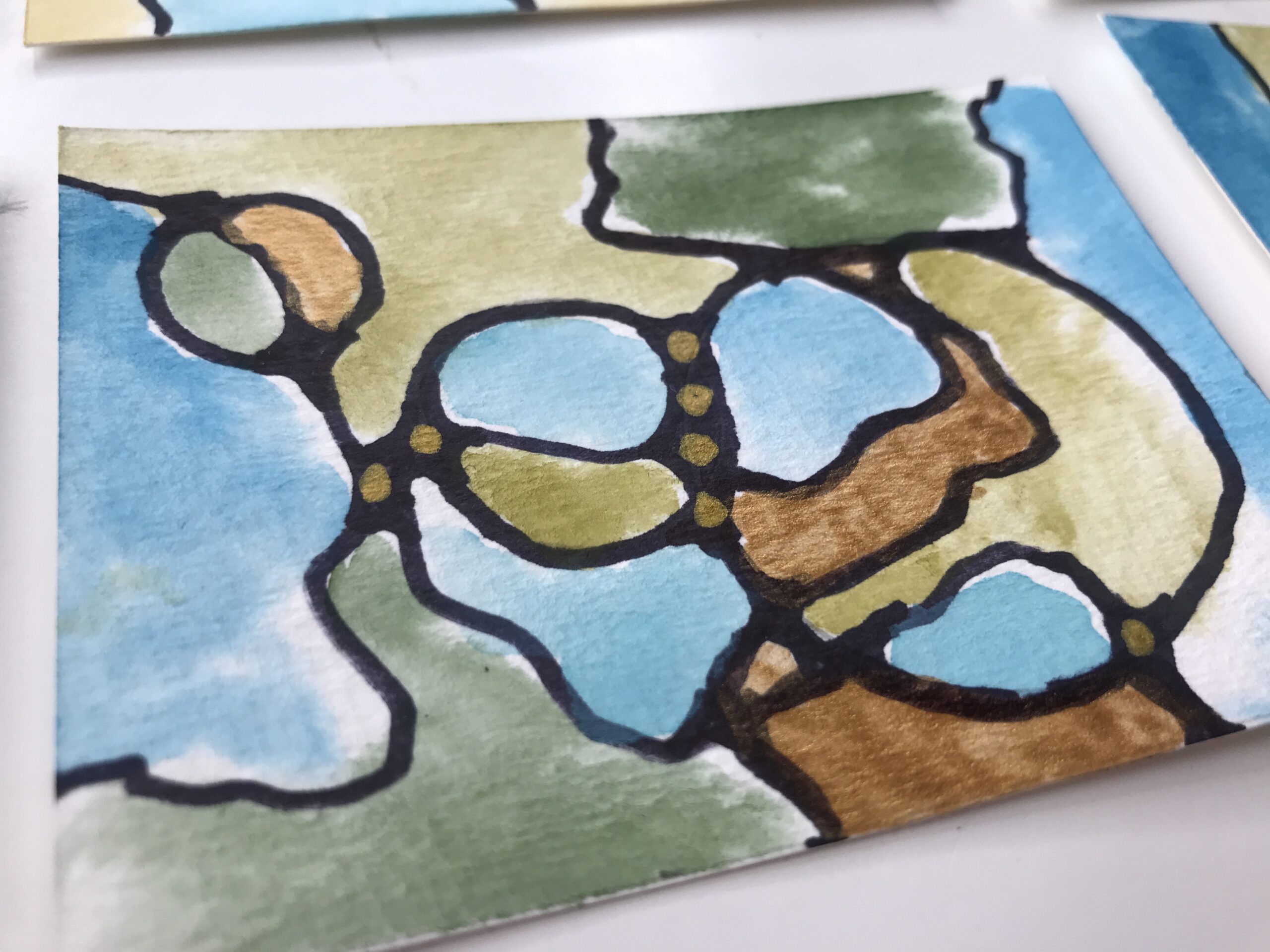
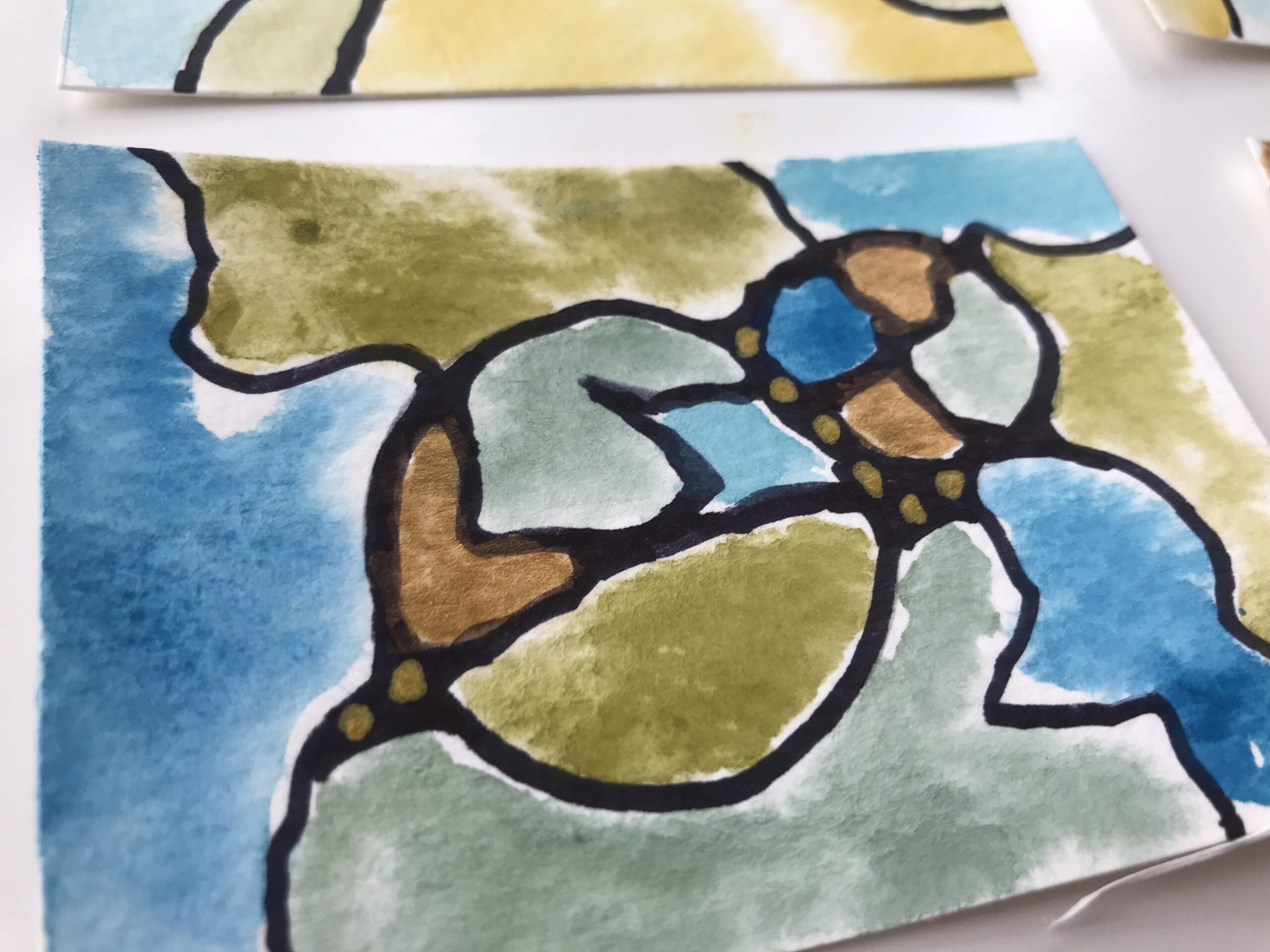
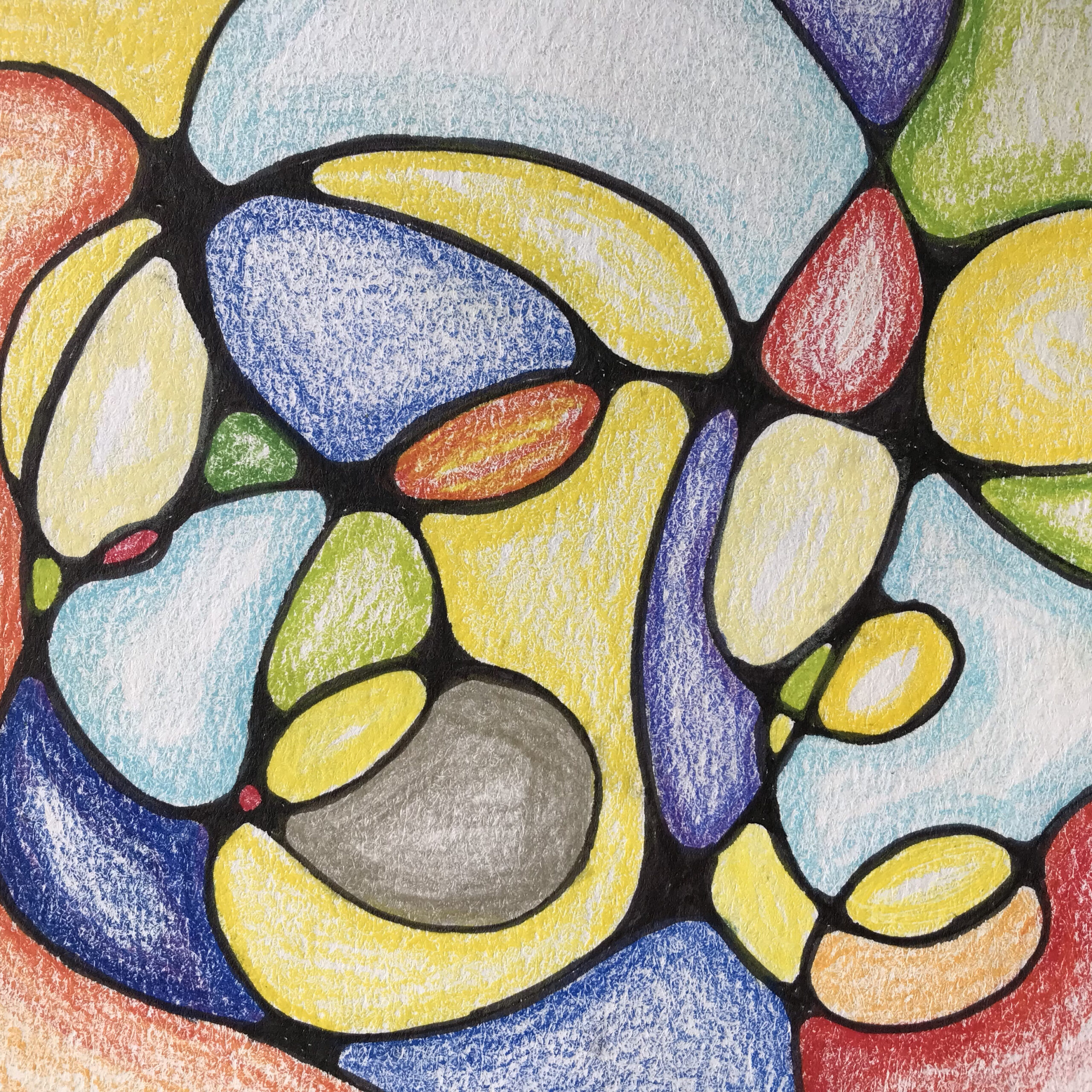
In this post, I’m going to share with you how I made these neurographic art Artist Trading Cards (ATC’s) which are super fun and quick to do.

I like working with artworks that are as small as Artist Trading Cards because the whole project is not as daunting as sitting down with a massive blank page in front of you.

When you are learning a new technique it’s sometimes easier to just do micro versions of what your big picture will be one day.

In this way you can hone your skills on small artworks to start with and build up from there.


Artist Trading Cards

Artist trading cards are small artworks which are 2 ½” x 3 ½” or around 62 mm x 90 mm.

They are basically the same size as a regular playing card.

Briefly, artist trading cards is a technique for every artist, such as you or me, to create the type of artwork that we do on very small cards.

When complete, these ATC’s can then be traded, swapped or given away, never sold, to other people.


Read more >>> Artist Trading Cards: Getting Started


Artist Business Cards

The idea is that one day when I’m a super duper artist and attempting to get my artwork in galleries or something like that. I will design some Artist Trading Cards which show the type of work that I’m offering.

Artist Trading Cars showcase your art style in a micro way. They are like business cards or old fashioned calling cards for artists. I don’t want to talk too much about developing your art style here.

As you may know, I really am a fledgeling artist. I do art because I like it. It makes me feel good, but I am exploring many different ways of expressing my art on this creative journey.

Neurographic Art

Neurographic art is it is an art technique that helps you clear your mind.

It can be meditative and it can bring focus to situations.

You could pay attention to one particular question such as, “should I leave my job or should I move country” all of the big decisions you have to make and things that are worrying you.

The idea is that as you are working through these art pieces, you are thinking about the actual issue which then goes into the art.

The idea being that at the end, you find some peace, if not a solution, to the question that you posed.


Explore more >>>  Neurographic art techniques

Supplies

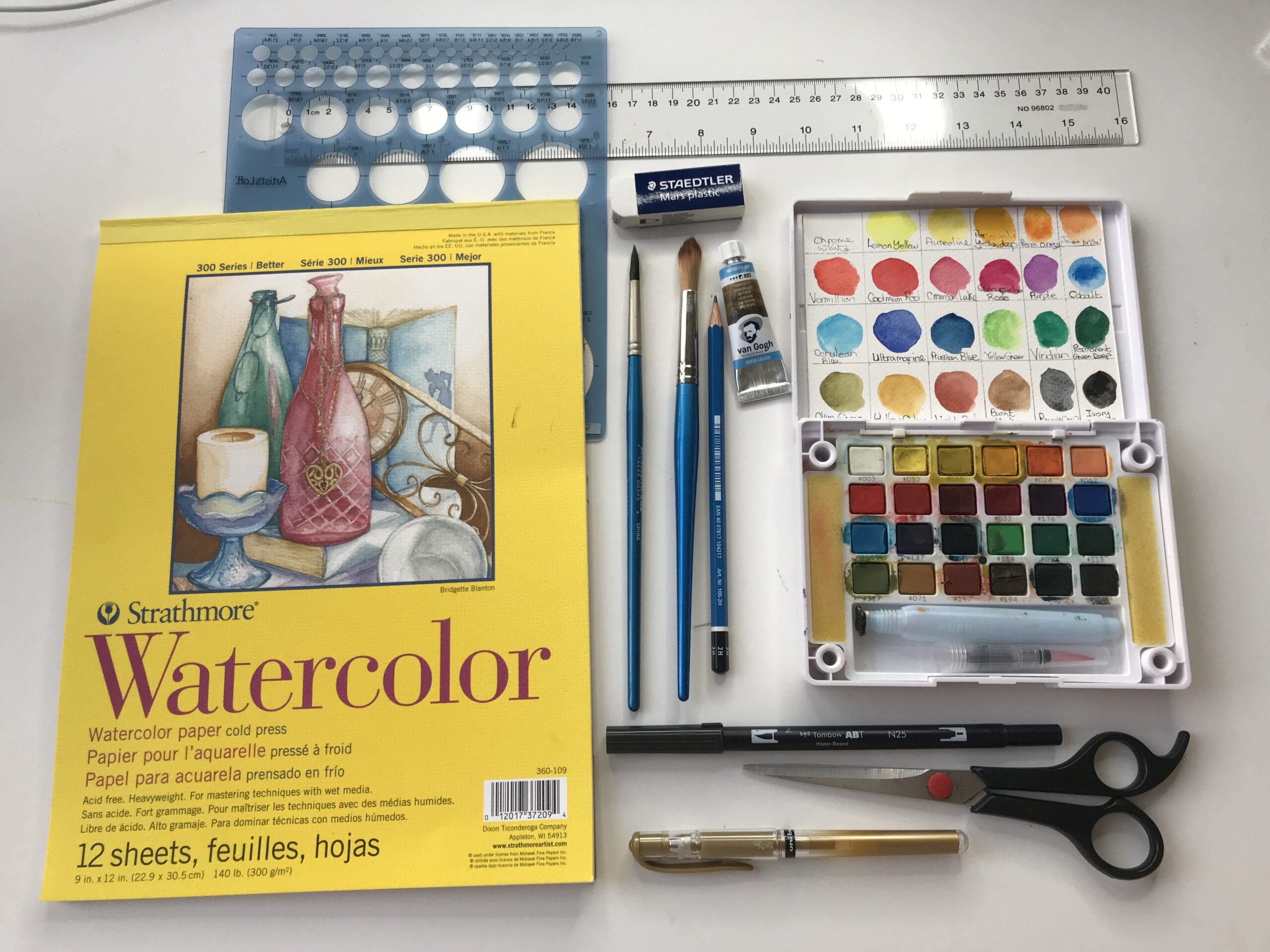
The main supplies I used for this artwork are:

  • Watercolour paper.
  • Sharpie pen and I have one of these retractable ones plus one of my daughters used to work at Starbucks and they introduced us to the Sharpie that a retractable with your super for artists because you don’t have to keep https://amzn.to/3wjtqiIputting the lid back on and off it’s much quicker to work with.
  • I’m also using a 2H pencil just to throw the outlines of some circles
  • A circle template which I’m use to draw the circles on the cards
  • I also have an ellipse template that I’m using to draw the ellipse cards as well which will save it later on so
  • I’m use the Sakura Koi watercolor paints which are pretty straightforward.
  • Scissors or a paper cutter.
  • Black marker pen.
  • Gold gel pen.
  • I have two round paintbrushes. One is just for the plain water so I’m keeping that clear because I’m going to be doing wet on wet. I use the second paintbrush for the individual paint colors.

You Have What You Need

Don’t feel that you have to have all of this equipment and if you don’t you can’t do it. Use the supplies that you have to hand. You are an artist that’s why you are here. Get your stuff out and let’s get started.

Step 1: Paper

So the first step is to cut your paper to the right size.

Because I’m using watercolour paints I’m actually using watercolour paper here and I’m using a paper cutter, but you can use scissors.

You want to cut your papers to be 2 ½” x 3 ½” or 62 mm x 90.

Example

For this example, we’re going to be doing three artist trading cards so you need to cut at least three papers.

They have to be the right size although very often artist trading cards are made in series of 12 and because you’re really going to be signing them on the back later on as we will see.

Step 2: Design

Circles

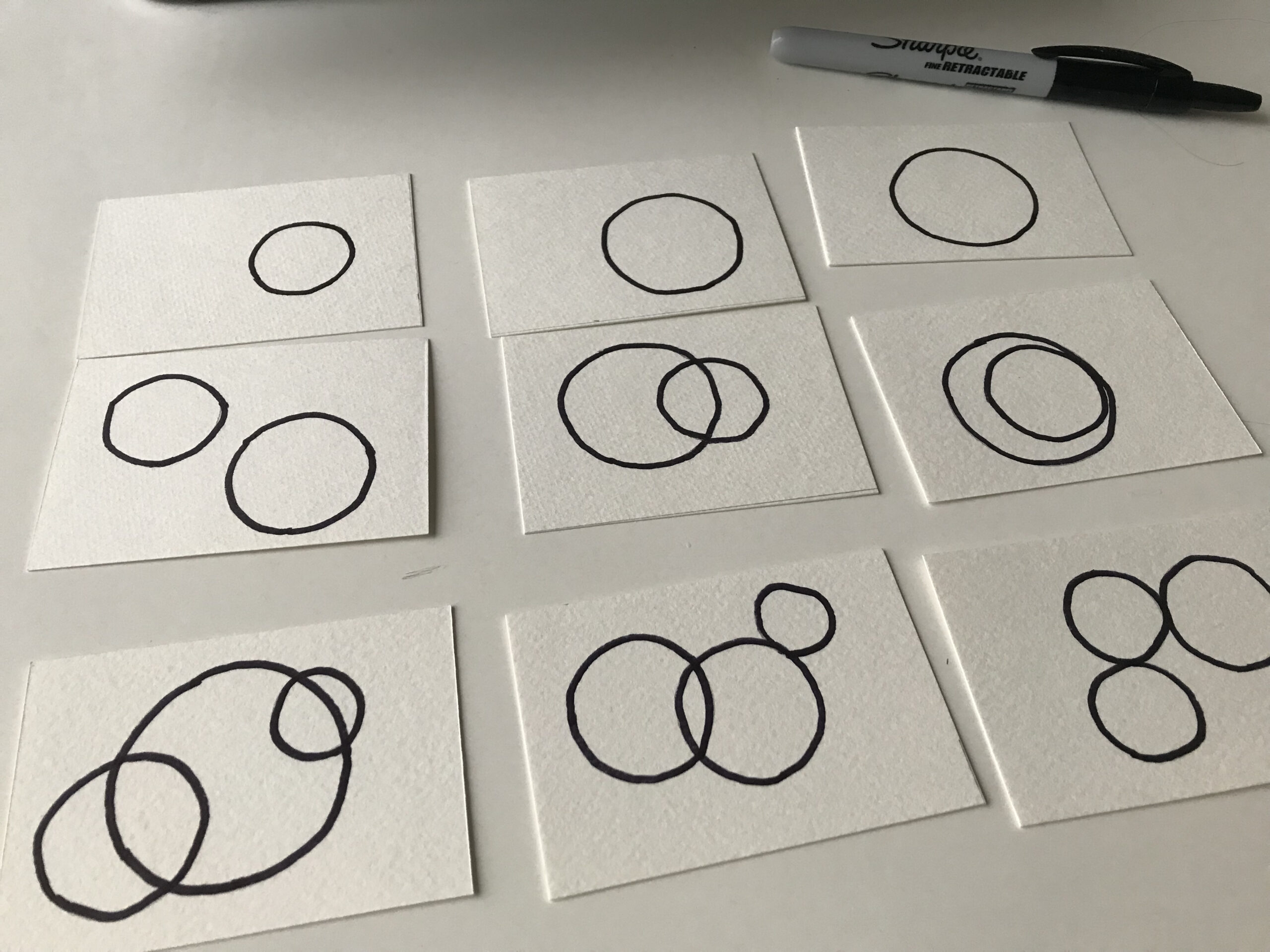
For this design I’ll be using my circle template and my 2H pencil to lightly draw different size circles onto each of the three papers.

On the first paper I will draw one circle, on the second paper I will draw two circles of different sizes and on the third paper I will draw three circles each with a different size and two circles overlap for interest.

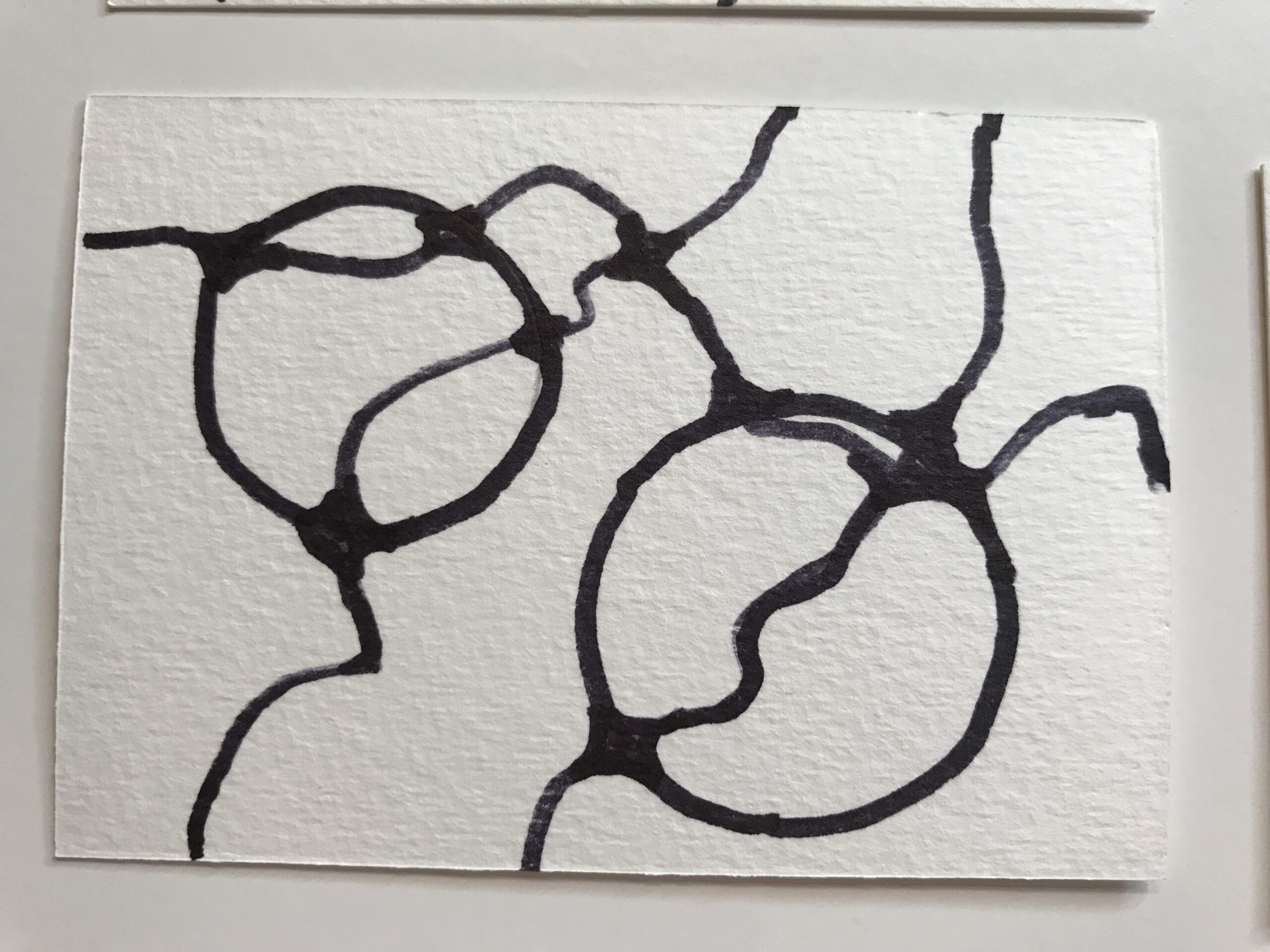
I take my black sharpie pen and go over the circles.

It doesn’t have to be exact near enough really is good enough for this art.

Complete the whole dozen with four with one circle, four with two circles and the final four with three circles.

Neurographic Lines

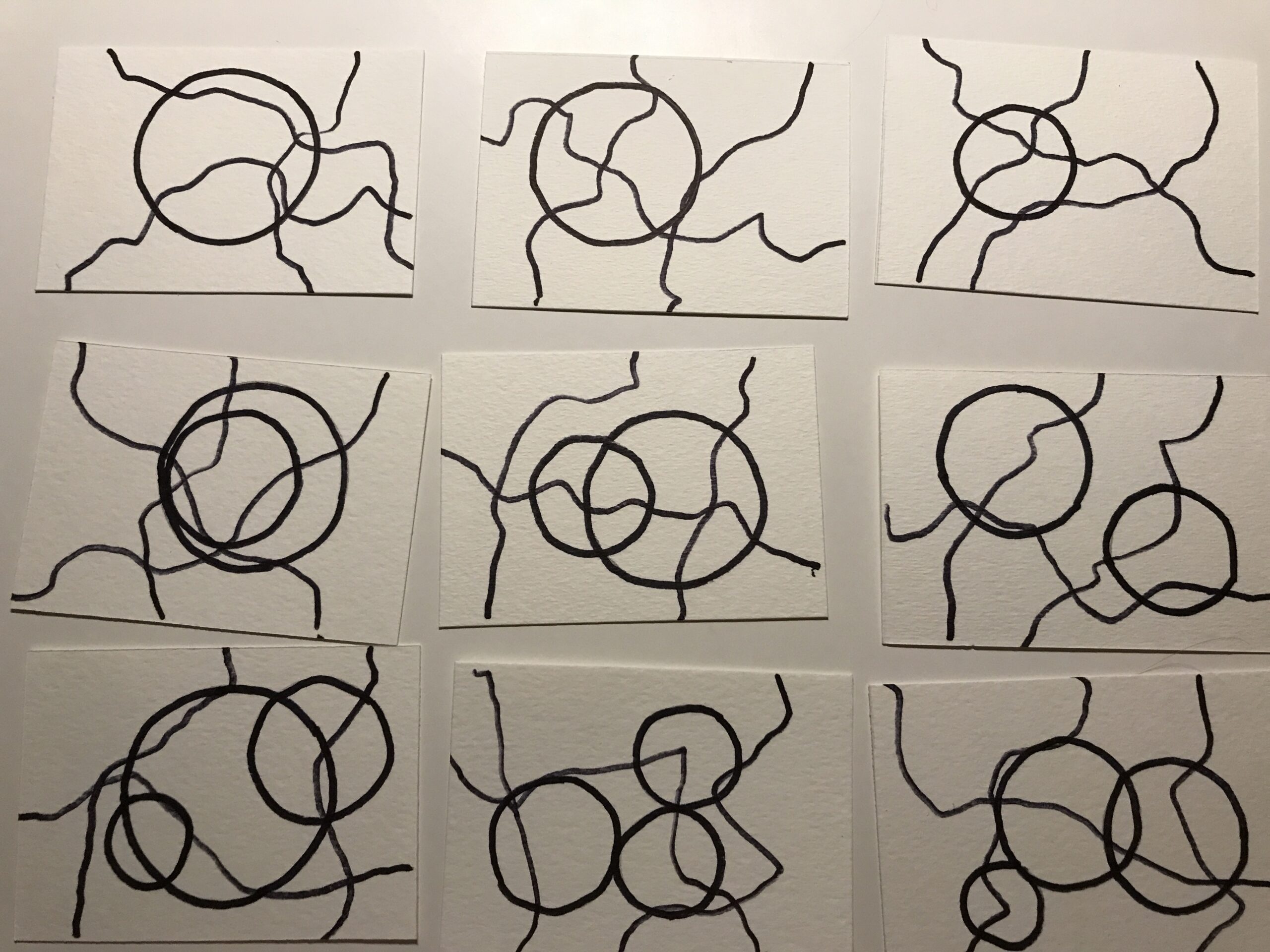
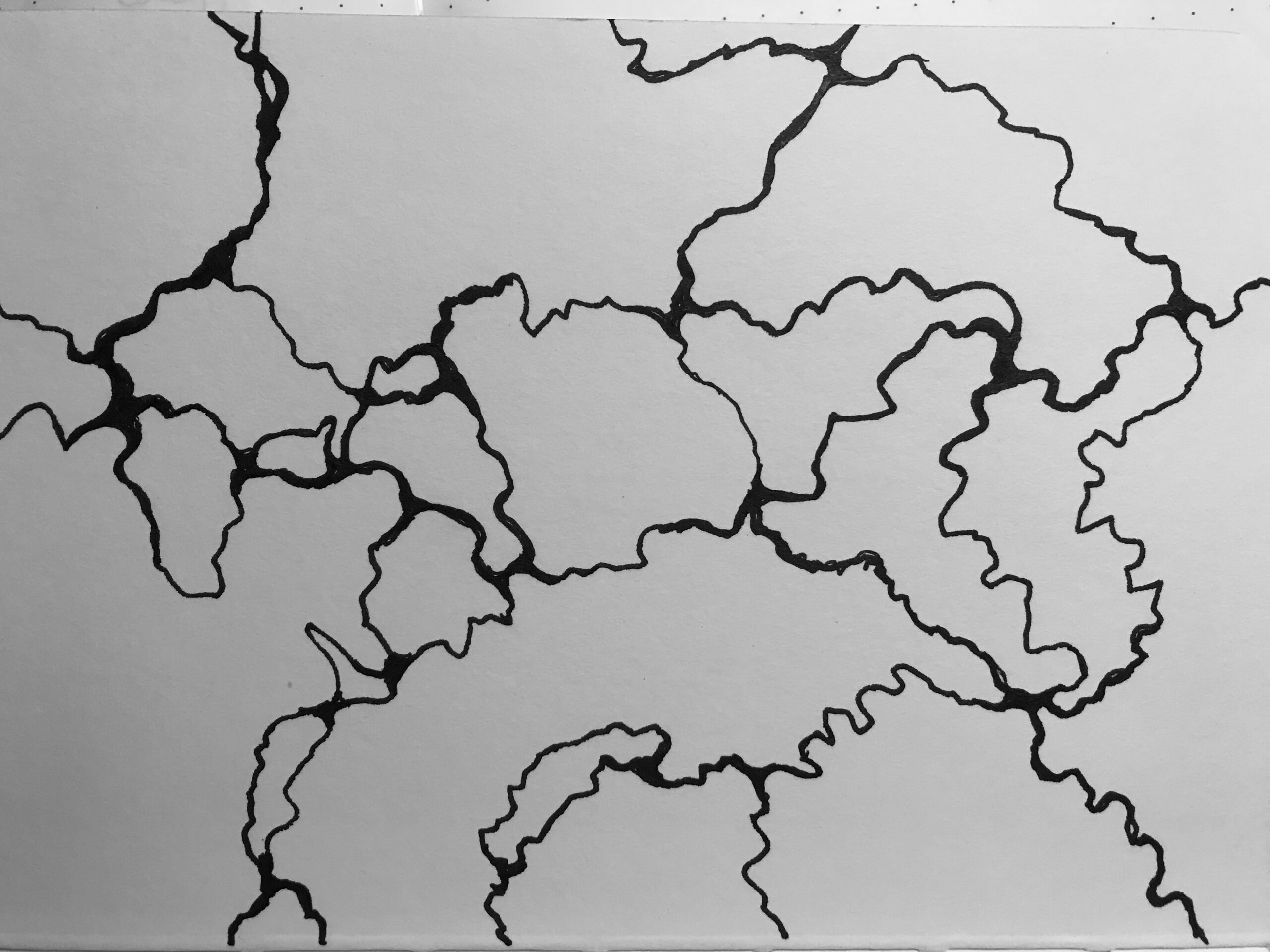
Now we’re going to be drawing some Neurographic lines onto these pages. Put the pen in your non-dominant hand and by that I mean if you’re right handed use your left hand and if you’re left-handed use your right hand.

Hold the pen lightly and draw a line from one side to the other trying to make it wiggle, although you could do curves if you wish. It is important that you go from one edge of the page to the other and ideally you’re going to try and touch one of the circles as you go through an end on another edge. That’s your first line.

Now we’re going to draw the second line. Choose another side of the page that you have not drawn from and draw another neurographic line across the page and exit on a different side. At this point you’re going to draw your third neurographic line and again you want to come from a side that you may not have used, so you were going out from one side maybe connecting.

Choose to pass through one or two of your circles and then end at the other side. What you have now is a circle with one, two or three circles on your page and three neorugraphic lines.

Explore more >>> Beautiful Quotes with Neurographic Art

Explore more >>> Neurographic Art Basics

Smooth Connections

The next step is to curve out every intersection or connection on the page. Take your pen and gently describe curves at all the harsh intersection so there are no hard intersections.

Soften each of the curves this tends to create blob shapes on the page. Take your time. This is the meditative part of it as well. Continue slowly and smooth out all your connections.

At this point you can make some of your lines a little thicker if you want to as you join them in from the connections. You may find that because there are multiple connections which converge at one point that you have quite a big blob of black which creates these large connections as well which is great.

Composition

Take a look at your three artwork so far and see if you’re happy with the composition. Do any tweaking if you feel you need to. Let your instincts be your guide.

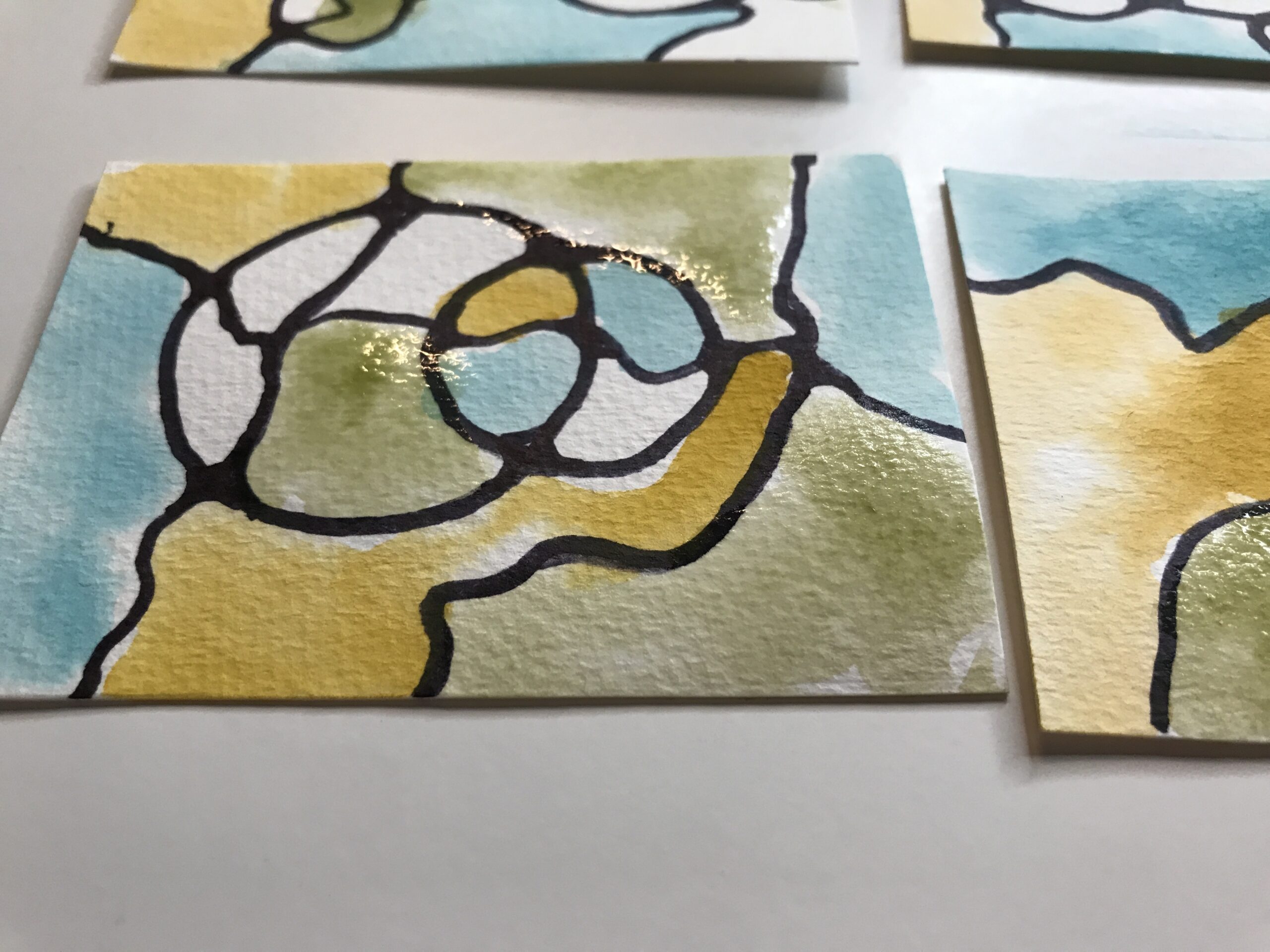
First Color: Green

I have a the light green mixed. Using my water only paintbrush I’m going to lay some water into one of the shapes on the artwork because we are working on one of the blobs at a time.

I put a little bit of water into that one block, but not too much water, because I haven’t actually stretch the paper because it is such a small artwork. Using my color brush, I dab in some of the paint. Take your time. 

Then choose a second space to add more water and paint with the same green. Next I will choose a third blob space on the artwork, add water add add color.


Space it out

It is important to note that I’m not working on two blocks which are adjacent. I am specifically placing each color in three different areas on this artwork. I’ll put that aside now to let the first card dry thoroughly and move onto my second artist trading card. Again using the same green I’m going to come in and colour in three of the blobs. Continue onto all your cards painting in three areas of green.

Second Color: Blue/Grey

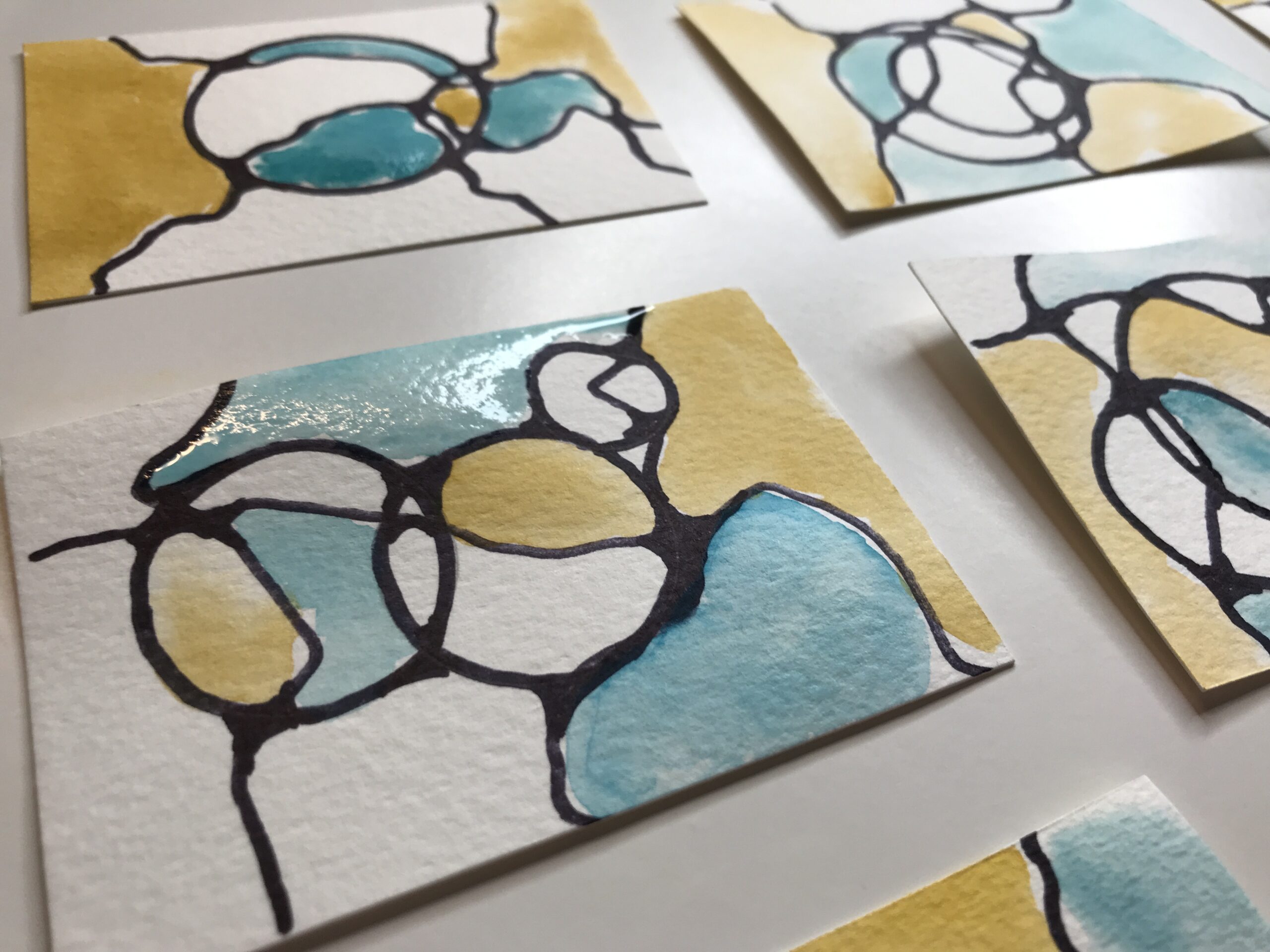
For my second color I’ve mixed up some Prussian blue with a dab of Payne’s grey. I mix these two colors on my palette and I’m ready to go again.

With the art completely dry, or moving to an area that is not adjacent to a wet one, I lay water down into one of the spaces and add my blue grey paint.

I will do a second section of blue paint using another area within the drawing. Finally, I will move onto a third area with the blue grey. Continue on all of the artworks so they’ve all got the blue in three areas on them.

Third Color: Olive

For the third color I take olive green and I mix it in with a little permanent yellow deep which I mix on my third palette. Once again, I come in with my water brush and then add color to three sections on each of my three artist trading cards. By now you’ve got a lot of the artwork colored in.  At this point I like to step back a little bit and see how much of the white paper is left.

Gold

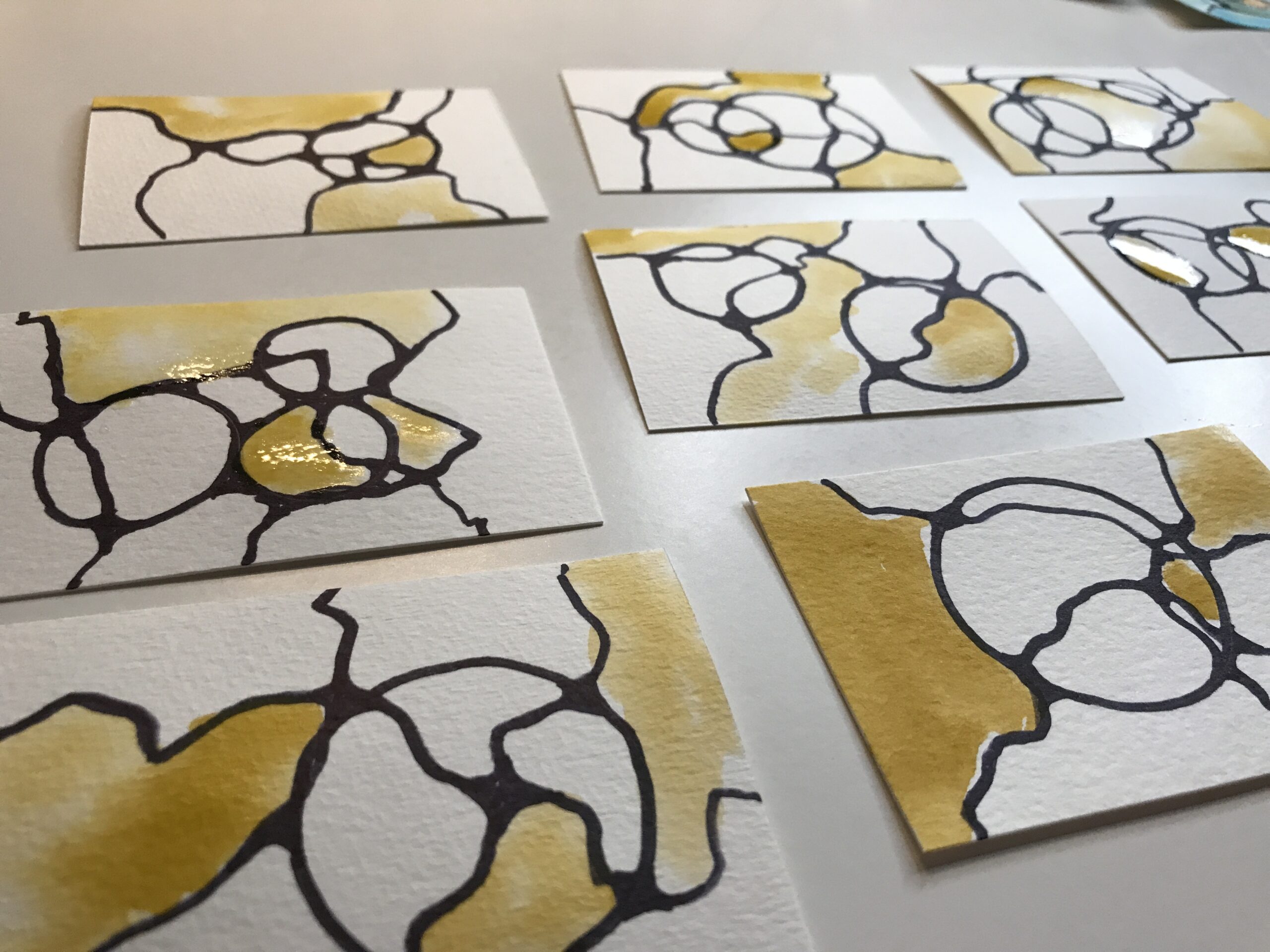
I decided to add some gold at this point as I only had a few empty spaces left. This is a gold water color paint I’m using the van Gogh ancient gold and I do want to mix the paint thoroughly with water before I use it. I dabbed some of the gold directly onto the paper, without adding water to the page first, just to add some shimmer into some of the areas.

Embellishments

I allowed all the artworks to dry thoroughly. Now it is time to consider putting on some embellishments. Embellishments are often used in your neurographic art such as flowers, words or lines to add a bit of interest to the artwork.

I choose to add some gold dots into the areas where my black connectors were quite large particularily where I had many intersections coming together at a hub.

I put three gold dots. You could at this point add some gold if you wanted or some extra blue if you desired to make some other embellishments on your artworks in the same colours that you used. The trick is to use a little bit of restraint because it can get overwhelming if you don’t know when to stop.

Flatten the Paper

Because I didn’t stretch the paper beforehand, and as I’m using watercolor paint, the paper has buckled and crinkled. One way to make a paper lie flat again is to place it, when dry, under some heavy books overnight. The pages will come out flat-ish which is good enough for me.

Artist Trading Cards: Add the Info on the Back

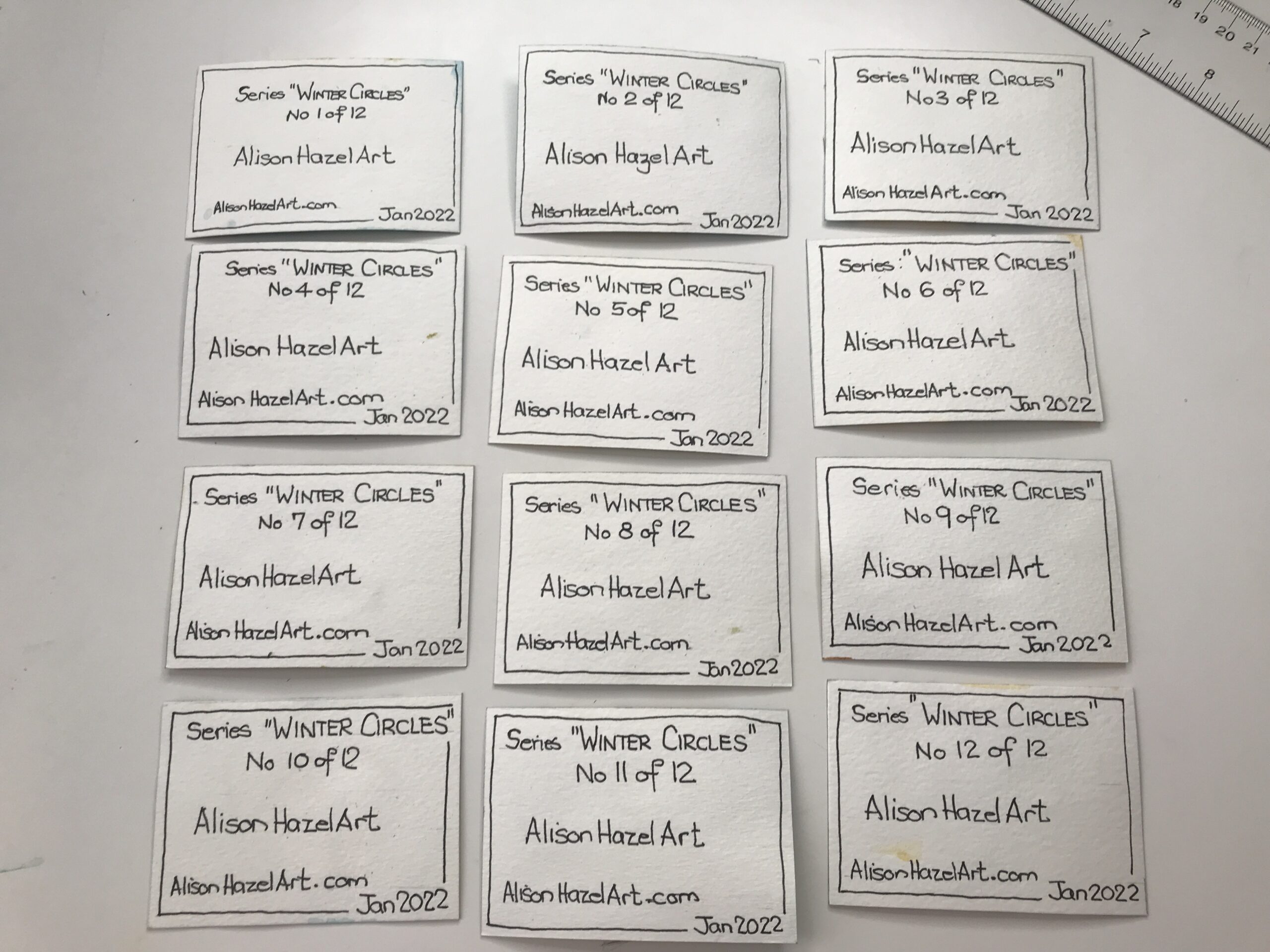
As these are Artist Trading Cards, and you are probably going to be handing them out to people, there is specific information to add onto the back.

Using a black fineliner write the following information:

  • Series name
  • Series number
  • Your name
  • Date
  • Email or website

I used a 0.3 mm Faber Castell Artist Pitt Pen to write my information as follows:


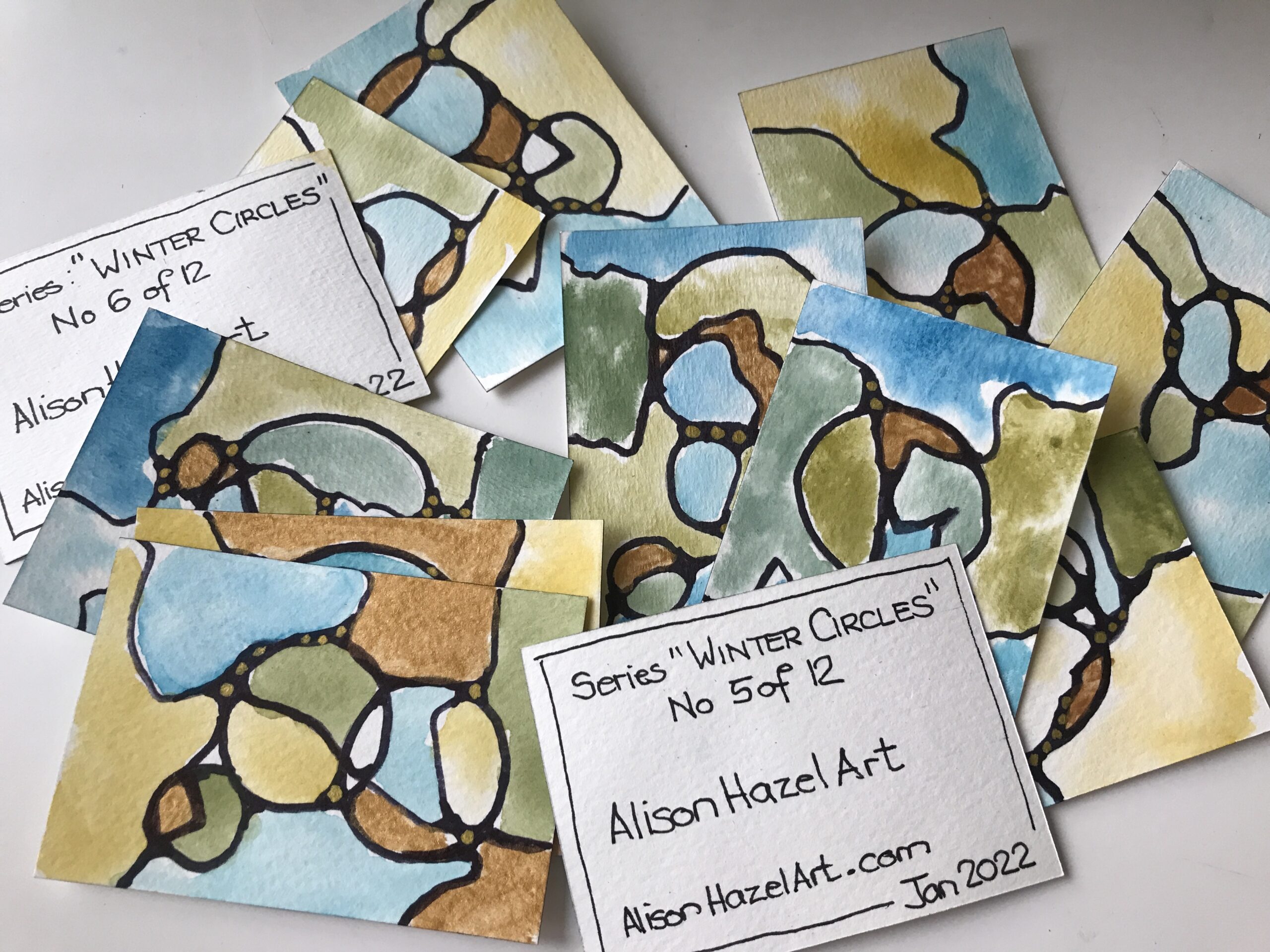
Series: Winter Circles

Number: 1 of 12

Alison Hazel Art

January 2022

AlisonHazelArt.com


I also drew a thin line border around the cards.

Series Name

I’m calling this series Winter Circles mainly because I did it in the winter and it’s got circles however you may call your art series anything you like.

You could have called it Happiness Meditation or Friendship Cards or something like that. Your choice of series name goes back to the intention which you may have stated at the very beginning.

Numbering the Series

Typically, a series of Artist Trading Cards has twelve cards within a series and they are all similar and often made on the same day.

Each one of the 12 cards in a series will have a unique number.

The first card will be number 1 of 12, 2 of 12, 3 of 12 and so on until 12 of 12.

When you trade these cards with other people and give them number seven of 12 or number nine of 12, the recipient will know from your numbering system that it is from a limited edition Artist Trading Card series.

Date

I date the cards with the month and year in which they were created.

Contact Info

I always put my website URL on the cards, so in the future anyone can look at other artwork that I do and get to know me as an artist from there. I believe that you never know what your art hobby will blossom into. It is prudent to provide all your information on every artwork that you create, trade, distribute or sell.

Give Away to Family First

I will be keeping one Artist Trading Card for myself. I will send one of my Winter Circles Artist Trading Cards to each of my three daughters in the mail in the next letter which I write to them.

List Giveaway

I will send one of the remaining eight cards to the first eight people on my mailing list who respond to my email with the words, “Winter Circles Giveaway”.

This is a first come first served basis. You do need to be on my mailing list to receive it. You will have to provide your postal address as well. Good Luck.

If you are reading this way after the event then I’m sorry you were too late. To make sure not to miss out on art giveaways again, join my maillist here.

Aspiring Artist Activity

If you are an aspiring artist, please do the following:

  • Design 12 cards.
  • With a black pen draw some circles and a few neurographic lines.
  • Paint or crayon the cards in a color palette of your choice.
  • Add embellishments as you like.
  • Choose a suitable series name and add the series and contact info on the back.
  • Post images.

Share

Share your artworks on social with the hashtag #AHAactivity

Notes from Nature

Notes from Nature

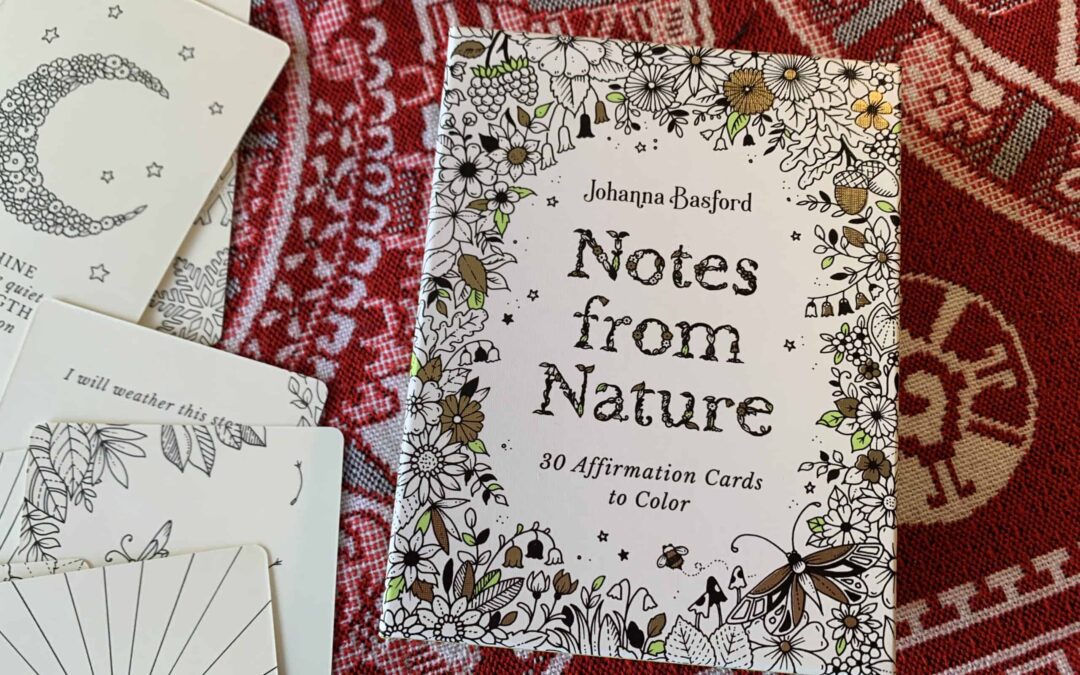
As a hobby artist, working with affirmation cards can be a great way to get your daily art practice in without overwhelm.
Sketching Butterflies

Sketching Butterflies

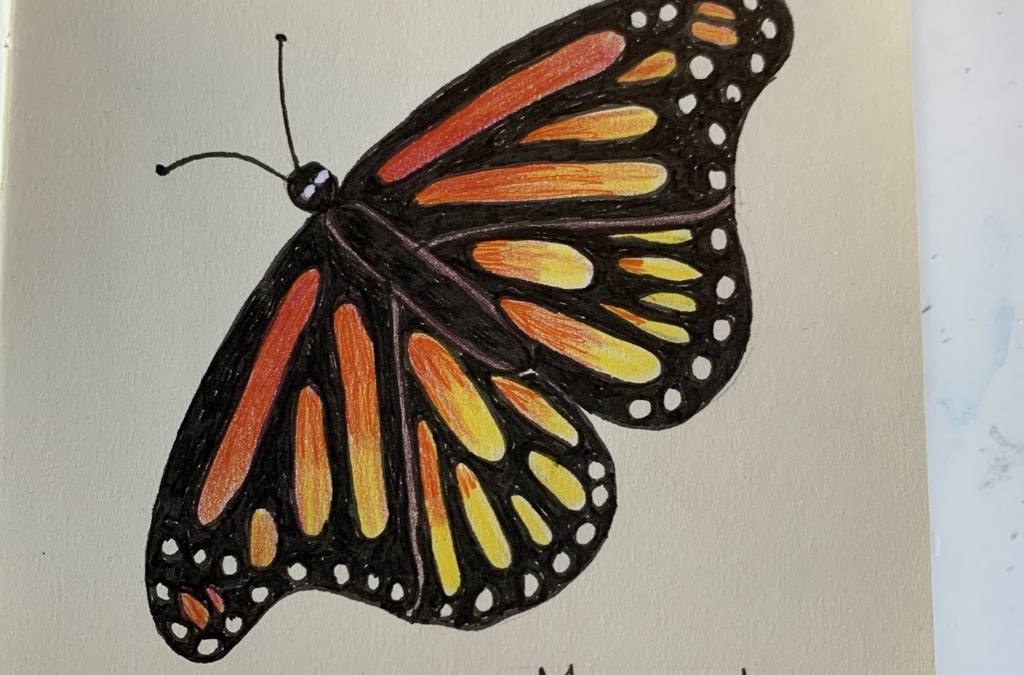
Bring butterflies to life in your sketchbook! From Monarchs to Purple Emperors, follow my tips, color techniques, and grab a free Monarch sketch guide to start today.

Sketch Journal Maps

Sketch Journal Maps

Maps in sketchbooks, journals and travel journals, offer a way to explore your thoughts, emotions and ideas about a place or time without forcing them into neat lines.

Neurographic Art – Basics

Neurographic Art – Basics

Author: Alison Hazel   –   Published: December 2021   –   Revised: January 2024

Read more about the neurographic art inventor psychologist Pavel Piskarev.

Thought, Word and Deed

Everything you do in life comes from the thoughts you have, the words you say and the deeds you do. There is a direct process from one step to the next. You cannot do something (such as make art) before you have thought about it. The practical decisions you need to make before you can create some art are to find a pen and get some paper. What you will draw is the magic that come through a neurographic art practice.


Benefits

The benefits of neurographic art are subtle, but many. Through creating a neurographic art practice you can:


  • Relieve anxiety.
  • Find peace.
  • Reduce stress.
  • Calm your mind.
  • Gain clarity.
  • Get things in perspective.
  • Help yourself.
  • Help others.
  • Use images to express your inner feelings.
  • Allow abstract thoughts to pop into your head.
  • Make fabulous art for your wall.

Principles

When you draw and make art, your hand holds the pen and your brain moves your hand. Thus, there is a direct connection between your hand and your thoughts.

Intuition

Neurographic art can be related to an intuitive scribble. A scribble has no form and just appears on the page. An intuitive scribble is brought forth when you focus on a problem or a decision you wish to address. Energy flows around you, through your body and in your brain. When energy is blocked it usually happens at a harsh wall or obstacle that you cannot overcome.

Three Methods of Neurographic Art

There are three main types of neurographic art, specific, popular and combination. There may be others as subsets of the above, but most artists will work in one of the three methods whether knowingly or not.

1. Specific Neurographic Artwork Method

To be specific when you create neurographic art you need to use the special neurographic line (see below). The neurographic line will tap directly into your mind and help you build new neural pathways in your brain.


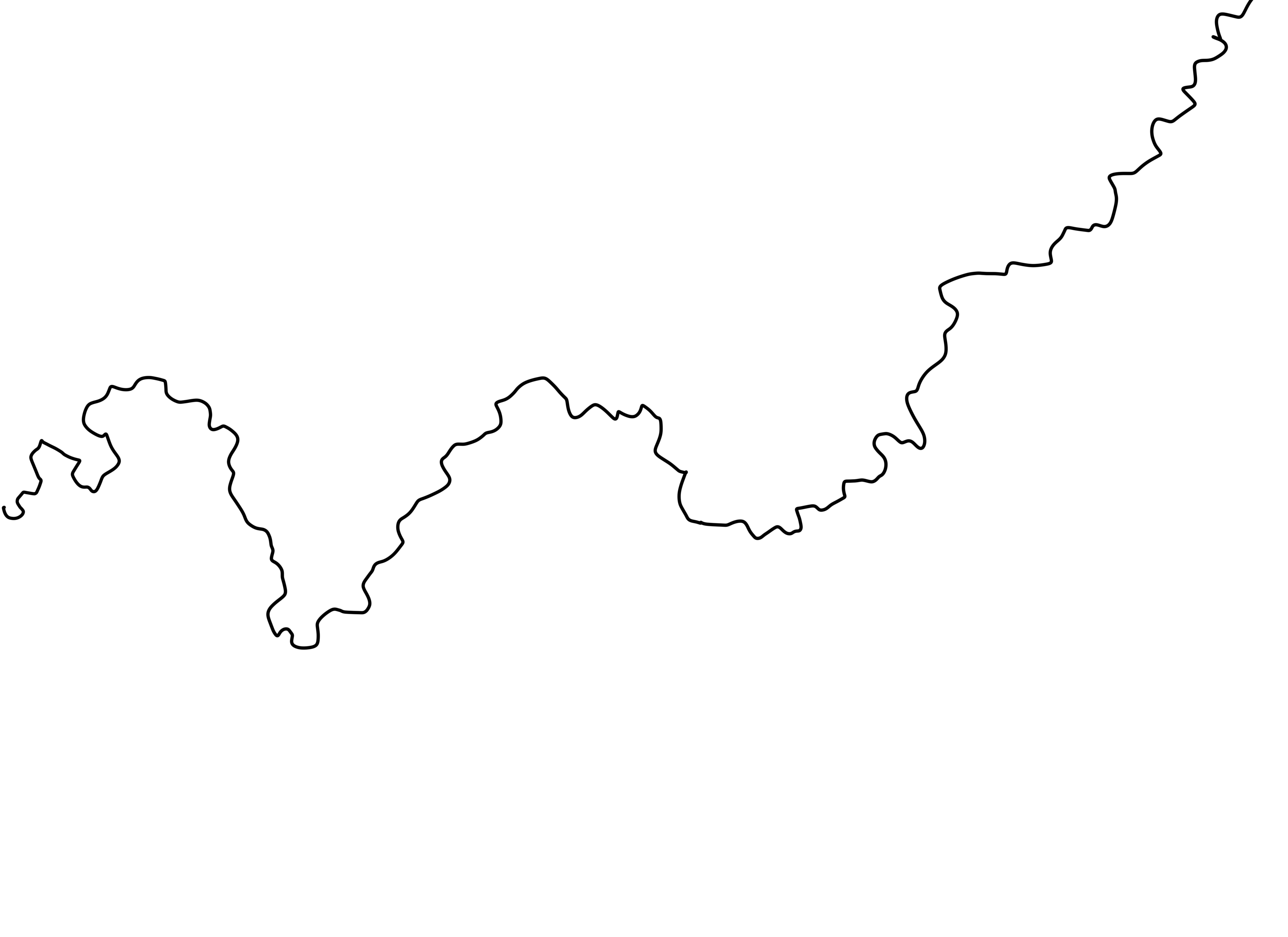
Neurographic Line

The neurographic line is the best line to use for deep meditation, self-awareness and for anyone on a consciousness raising journey.


2. Popular Neurographic Artwork Method

The popular neurographic art method is to simply draw curves and swoops on the page, or even straight lines and shapes, in the artwork. Then you curve the intersections and you may add shapes and color.

This type of artwork is fun and good to start with. It is not strictly neurographic art as it may not carry the full mental health benefits of using the neurographic line. Additionally, you may add dots, flowers, stars or other exciting embellishments to yourr art piece.

The popular neurographic art method is suitable for kids and is often used in schools.


3. Combination Neurographic Artwork Method

Combination neurographic artworks employ smooth lines, neurographic lines, loose shapes and embellishments all mixed in together. This is where most people are at ease with neurographic art for their drawings.

The combination neurographic art technique can bring light meditation properties to the process and create a meaningful artwork as well. Even a small piece of the neurographic line will be of benefit in the combination art method.

Mindfulness

Be mindful of what you are trying to achieve.

Do you want:


  • Therapeutic mental health strengthening.
  • Casual feel-good art.
  • To have fun exploring a new and trendy art movement.

The Neurographic Line

Not all lines are created equal and the neurographic line is no different.

What Is a Neurographic Line?

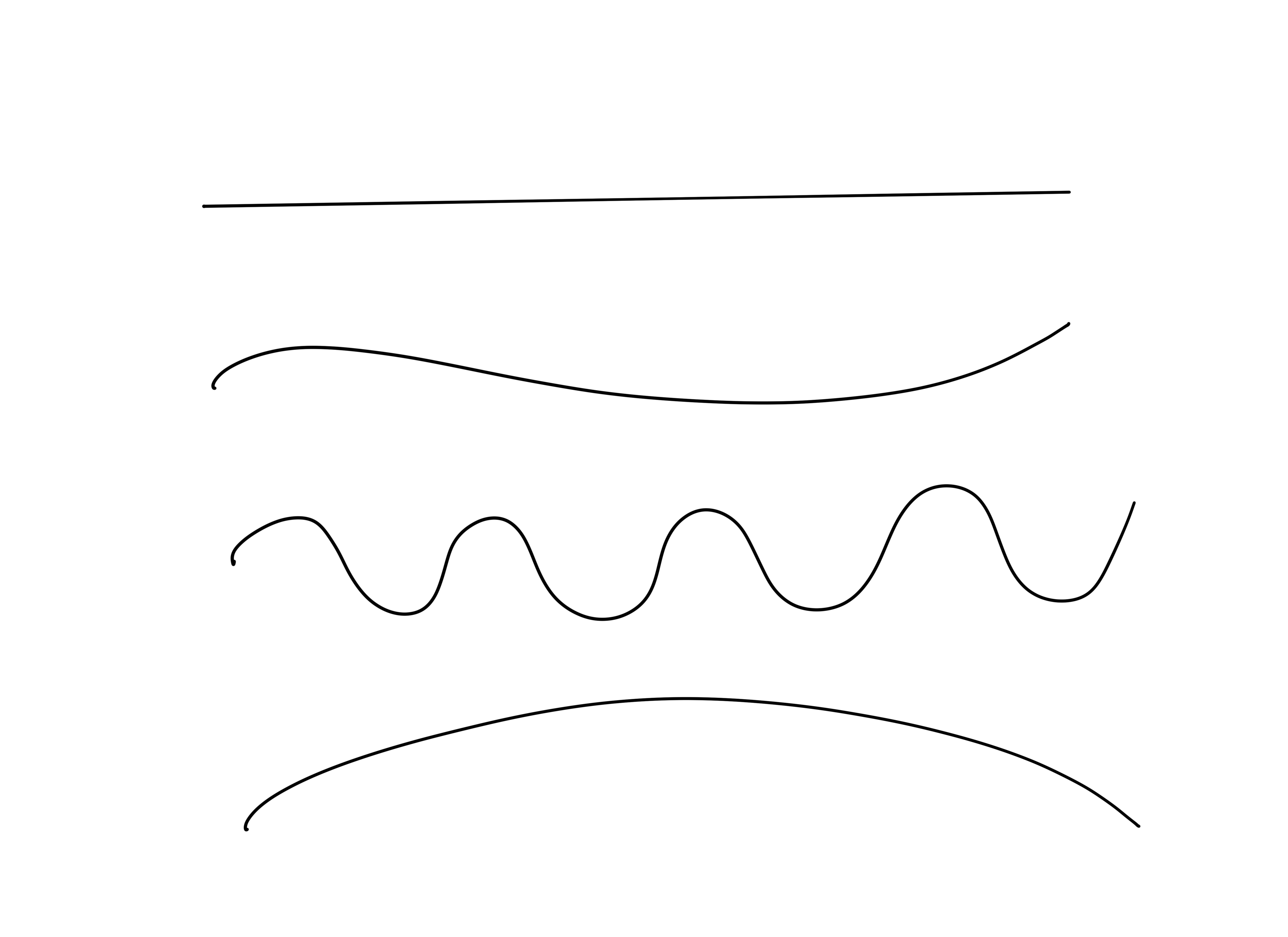
  • A neurographic line does not repeat.
  • A neurographic line changes direction as soon as you are aware of its route.
  • A neurographic line does not end in the middle of the page, it either flows to the edge of the page or it blends into other lines or shapes like circles.


What is Not a Neurographic Line?

Let’s consider what does not constitute a neurographic line. A neurographic line is not:


  • A straight line.
  • A smooth, wavy or curved line.
  • A smooth shape like a circle.

3 Ways Neurographic Art May Benefit You

Let’s have a look at three ways that creating neurographic art can benefit you. Of course there will be many other ways as well, but these first three are the easiest ones to start with.

1. To Make Intentions

To make an intention with your neurographic art is to bring a focus to a situation challenge or issue that you are facing.

You would do this before you start the artwork.

For example, perhaps you are trying to decide whether you should quit your job and take a new position which has been offered to you and you’re not exactly sure what to do.

You can consider the pay increase, adjusted hours, a better commute or how it may improve your actual career prospects.

You also want to ponder over the action that you’re going to take on an inner level which you could certainly do with neurographic art.

How to Create Intentional Neurographic Art

Take a sheet of paper on which you’re going to make the artwork. On the back write one or two words that you need to focus on which clearly explain the dilemma you are facing.

In the example of, “should I take the new job?” you would simply write the two words “new job” on the back of the sheet. This intentional writing of the words is to focus your mind as you create the artwork. You are intentionally creating an artpiece that will help you decide whether or not to take a new job offer.

The idea is not to have a simple yes or no answer at the end, but during the course of creating the artwork (which would probably take you at least one or two or five or six hours) you will focus your mind on all of the options and permutations which taking the new job would entail.

Ideally at the end of the artwork you will have a clearer understanding of whether to take the new job and how you feel about it.

2. Neurographic Line

Neurographic Line in Neurographic Art

Using the Neurographic line when you create neurographic art. As you may know not all neurographic art uses the neurographic line.

The neurographic line is a specific line:

  • It does not repeat.
  • It is not a straight line.
  • It does not curve smoothly.
  • It generally wiggles along.

The idea is that as you draw this line, as soon as you become conscious of the direction in which you are going, you have to change direction.

Non-dominant Hand

One great tip when drawing a neurographic line is to use your non-dominant hand. That means that if you are right-handed, you would put the pen in your left hand and if you are left-handed you will hold the pen in your right hand.

Crossing the Center Line

By crossing the centerline of your body and putting the pen in the opposite hand you are forcing your mind to see these paths differently than it would through the automatic way that you naturally go if you are perhaps right-handed.

Signature: Sign Here

You can clearly see the benefit of working with your nondominant hand when you come to writing your signature. If you are naturally right handed, as you write your signature John Smith after years of practice you just automatically swish out all the letters and dash of your signature. It is very often not very clear to see, but because you have been writing it for so many years, your brain will automatically sign your name without thinking and you do it with your dominant hand.

However, if you put the pen in your non-dominant hand and you try to sign your signature suddenly your brain has to actually work. This means that you naturally tap into a new neural pathway as you think about what you are doing. It does not come naturally to you because you haven’t worn a pathway in your mind, so it’s something new for your mind to grapple with. You create new connections as you learn how to sign your name with your non-dominant hand.

3. Smooth Connections

Curves

Once you have the main lines down on your page, whether they be circles shapes, swoops, or the neurographic line, you are now at the point of smoothing out the connections.

How to Curve Your Connections

To smooth connections you take your black pen and draw curves where every line intersects another line. Generally, there will be four curves at each intersection.

How to Curve Intersections: Neurographic Art

One of the main principles of doing basic neurographic art is curving the intersections. The intersections occur where two lines cross or where a line crosses a shape such as a circle, an oval, or another shape.

Where two lines intersect there will be four curves required at that intersection. I’m going to share with you best principles for curving your intersections in neurographic art.

Intersection Meaning

As a reminder where two lines intersect in neurographic art, and you curve the intersections, these are the points where the new neural pathways are being built in your brain. This means is that this is an opportunity for new thoughts ideas and inspiration to come to you.

Pathways

It is a bit like tramping out a path in the woods. To start with you must hack through the undergrowth to create a new pathway. After you’ve been doing that for a week you can see a vague footprint footpath through the bush.

The more you walk the same path and use the same ideas the stronger the pathway will become and overtime it will widen. Eventually pathways which are used frequently will become well entrenched in your thought patterns.

The idea is that to branch out and create a new pathway means going in a different direction and make new connections. These lines and intersections in neurographic artwork are symbolic of new thought patterns, ideas and ways of thinking in your mind.

Plasticity

This leads to brain plasticity and a growth mindset.

Line Thickness

When creating neurographic art one must consider the thickness of the line you are drawing. If you use a very thin line, you will have smaller intersections and if you use a thicker line, you will have bigger intersections.

Circle Template

To understand how to curve connections in neurographic art you would technically use a circle template. This is not necessary, but to understand the principles of where the curves are coming from it may be a great guide.

You can eyeball the curves you need in your neurographic art and depending on the thickness of your line will depend on how large your circle diameter will be.

All intersections that are on the same drawing would technically have the same radius curve at their intersections. If your main lines are too thin, or your intersections are too big, the artwork looks a little unbalanced. If your lines are very thick and your intersections are very small, again the artwork looks unbalanced.

It is better to find a happy medium between the thickness of the lines on your drawing and the curves you make at your intersections. There are no hard and fast rules for this. With practice you will find your own individual art style when working with neurographic art.

art-supplies-on-a-desk

Read more >>> My Art Supplies

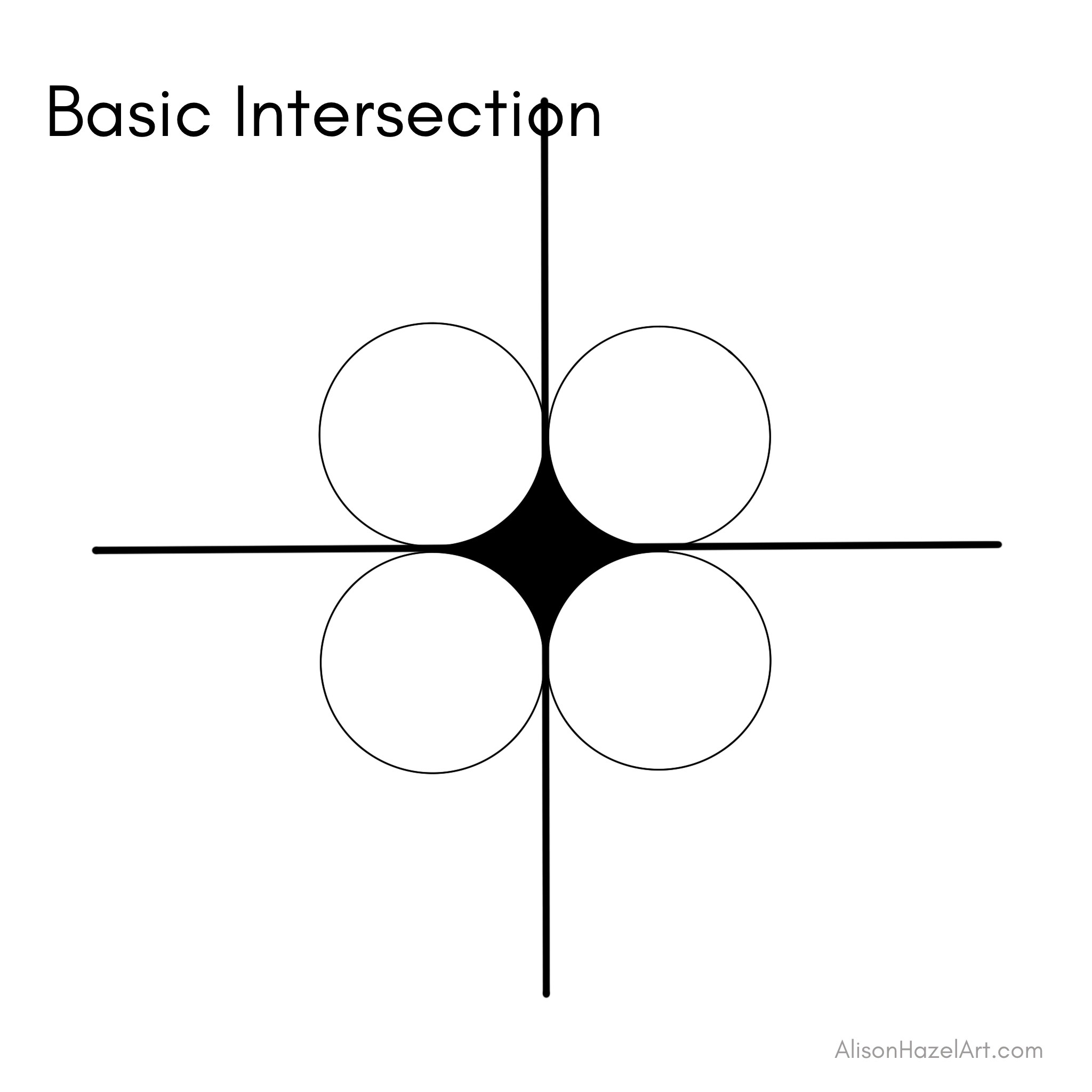
Basic Shape

In a basic two-line intersection, the lines will cross horizontally and vertically. The lines will be at 90° to each other. To curve the intersection, you would take your template and with a large radius describe the curves on each corner. Use the same size circle to create the curve for each connection.

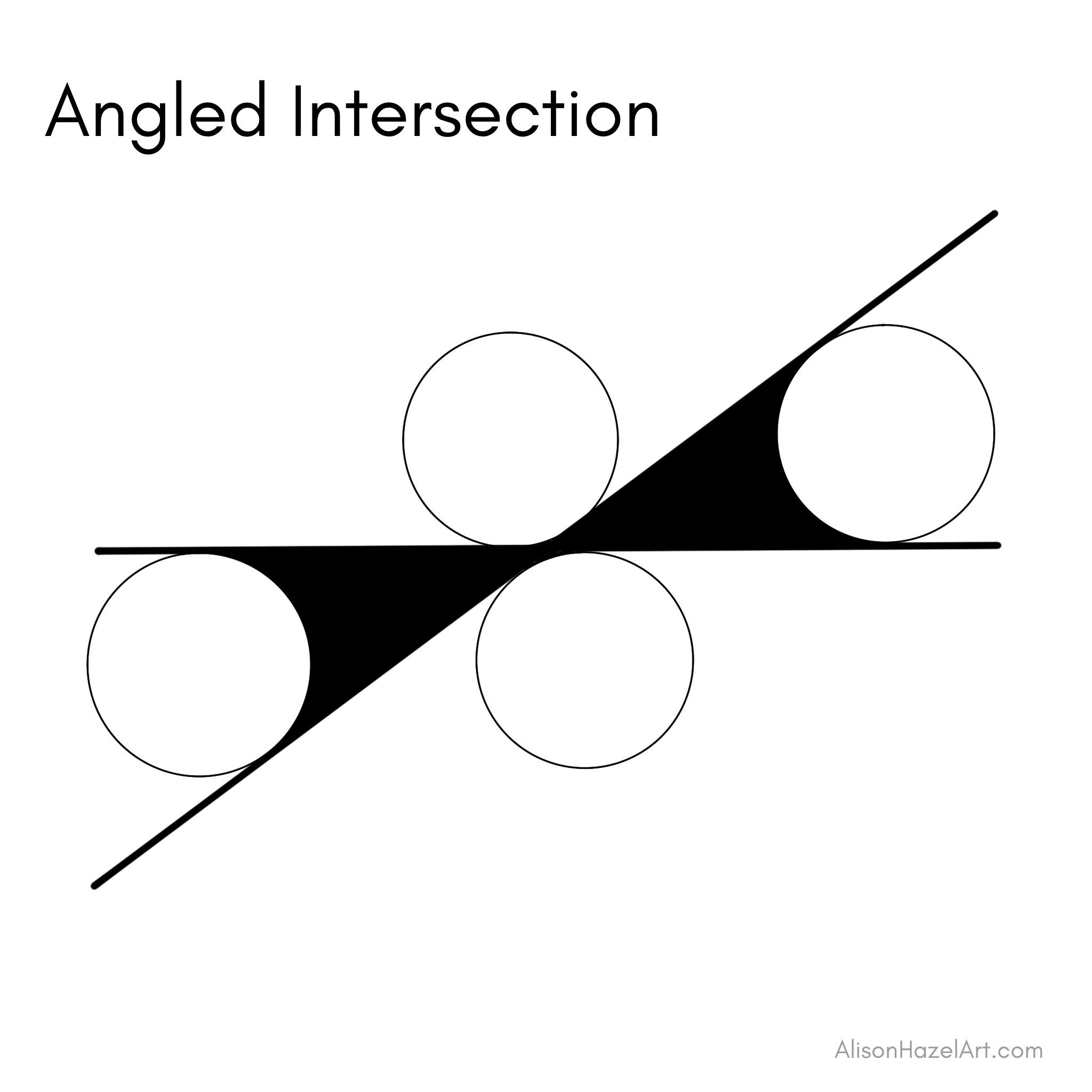
Angled Connection

Where two lines intersect and are at sharp angles, your connection looks slightly different. Still use the exact same circle template with the same radius and draw out the four curves. This means that on the very wide, or oblique, angles the curve will be shallow and low. On the very narrow, or acute, angles, the curves will be deep and high.

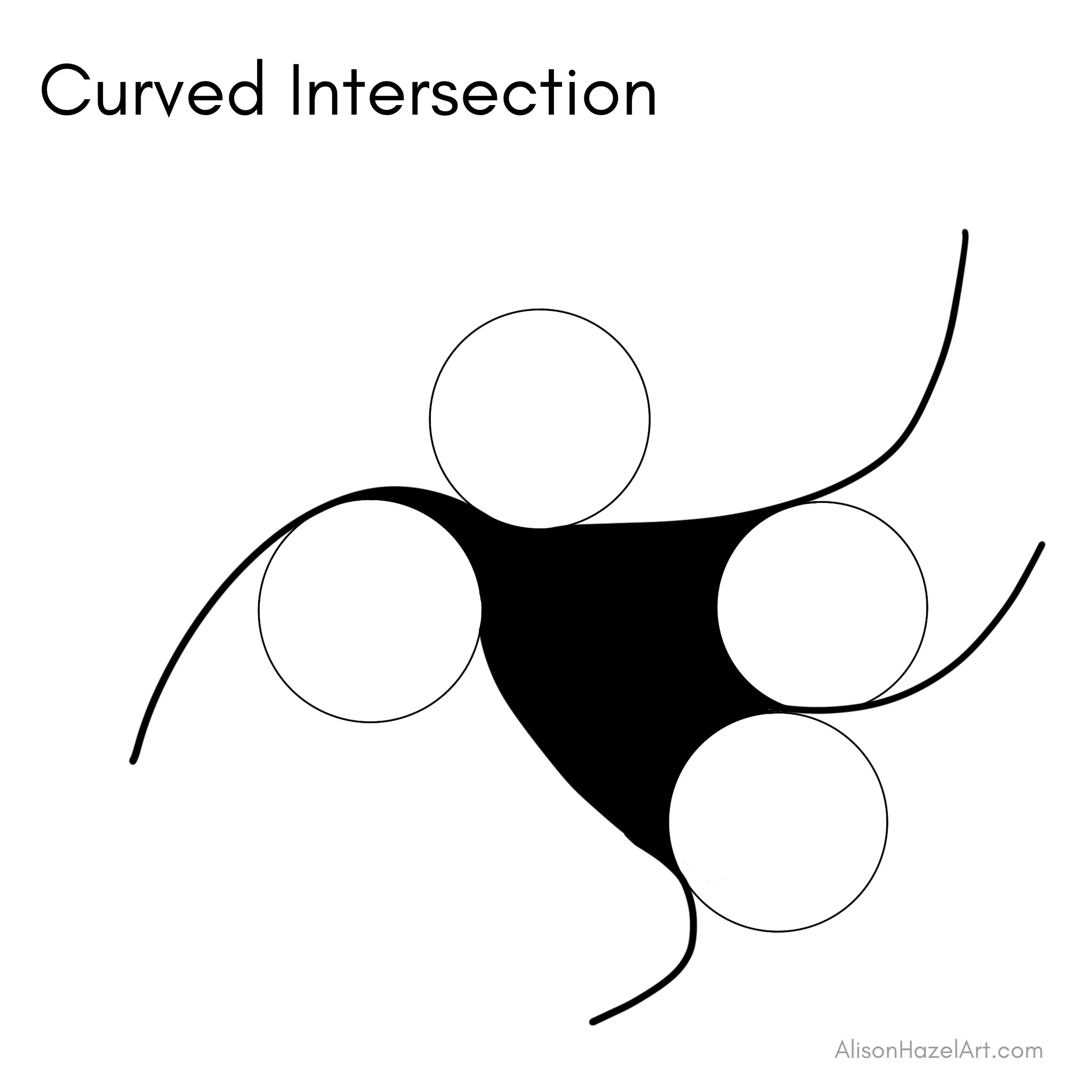
Curved Intersections

When two lines that intersect are curved, there may be a variety of widths to the main connection. Take the circle template with the exact same curve and the same radius and draw in smoothly the curve on each of the four sides of this connection. This may result in a larger connection area that is all in black.

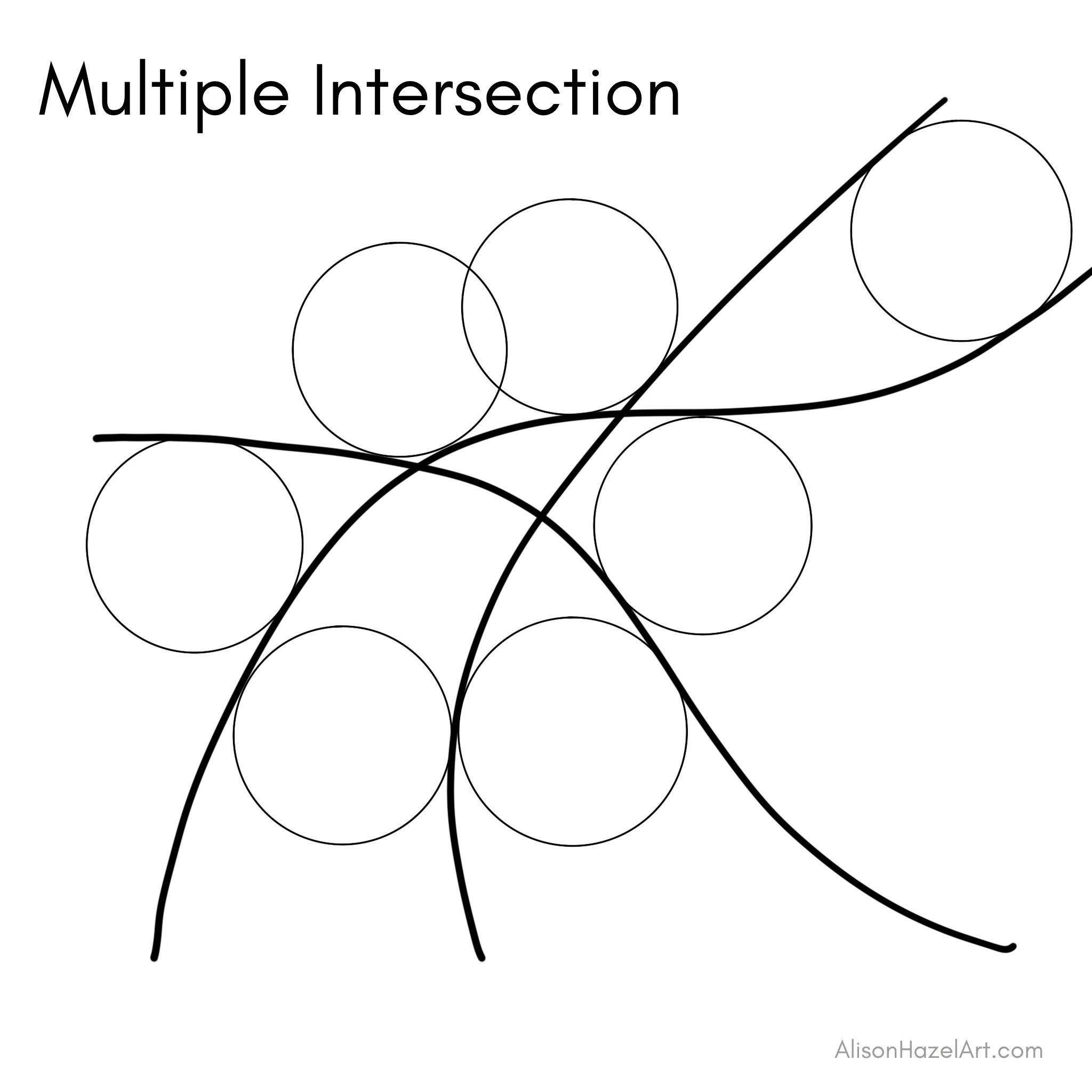
Multiple Intersection Hubs

If your drawing has multiple intersections, where more than two lines are coming together in the very small area, it will result in a far larger connection hub overall. There will be more than four radii being described out to smooth the connections, but it does depend on the artwork.

This is a very interesting situation as it allows a very large hub or node to appear in the drawing. This more defined intersection will become a higher focus for thoughts and ideas in the artwork. In the example below note that the inner triangle has been fully engulfed into the node. This increases the magnitude and focus of this connection.

Focus

To draw multiple connections on an artwork can be laborious. This is the moment where you have to take your time with your artwork as you bring focus to what it is you are doing.

The activity of drawing small curves soft curves onto the page is very meditative. Now you can consider the intention you wrote from step one and think about it as you, almost mindlessly. draw in all the curves on your artwork.

All Artworks

No matter what type of neurographic art you are doing whether it is simple basic or combined there will be connections to be smoothed. This is a very satisfying part of the art creation process and it is not to be taken lightly. As you are drawing each curve consider the question, issue or what you wrote on the back of your page. At this point you can let your mind wander to provide you with other ideas that you may not of thought about regarding your situation.

Explore more >>> Neurographic Art Coloring Book

Yes or No Answer? Probably Not

Again, you are not necessarily looking for a yes or no answer. What you are trying to do is to open your mind to further possibilities or other ways that this situation could be addressed.

Aspiring Artist Activity

Make a piece of art and bring all three techniques that benefit using neurographic art to the work. Get a piece of paper which you will be working on and some pens, paints or other art supplies and please do the following:

Intent

  • Write your intention on the back of the page this could be one, two or three words to bring focus to what you are trying to resolve.
  • Start your artwork with a black pen at this point you can do circles if you wish, but bring in neurographic lines and not only straightforward lines.

Connect

  • Curve all the connections and consciously focus on your intention. Take your time and let your mind wander.

Embellish

  • Continue adding colour and embellishments as you see fit to make a beautiful artwork of which you are proud.

Take Notes

When you have finished your artwork put it aside and make a note of ideas that popped into your head while you were crafting this artwork.

Share on Social

Share your artwork with us under the hashtag #AlisonHazelArt

Alison Hazel

Author Bio

Alison Hazel is a woman who shares her ongoing journey about becoming an artist later in life. She creates simple art that anyone can make. She hopes to inspire you to reach your creative potential in the area that suits you.

Read more about Alison’s story.

Send Alison a quick message.

More Articles

If you enjoyed this article on neurographic art please explore our site and read some more from our blog by clicking the images below.


error: Content is protected !!